


30.07.2026
158
30 JULY — INTERNATIONAL DAY OF FRIENDSHIP!
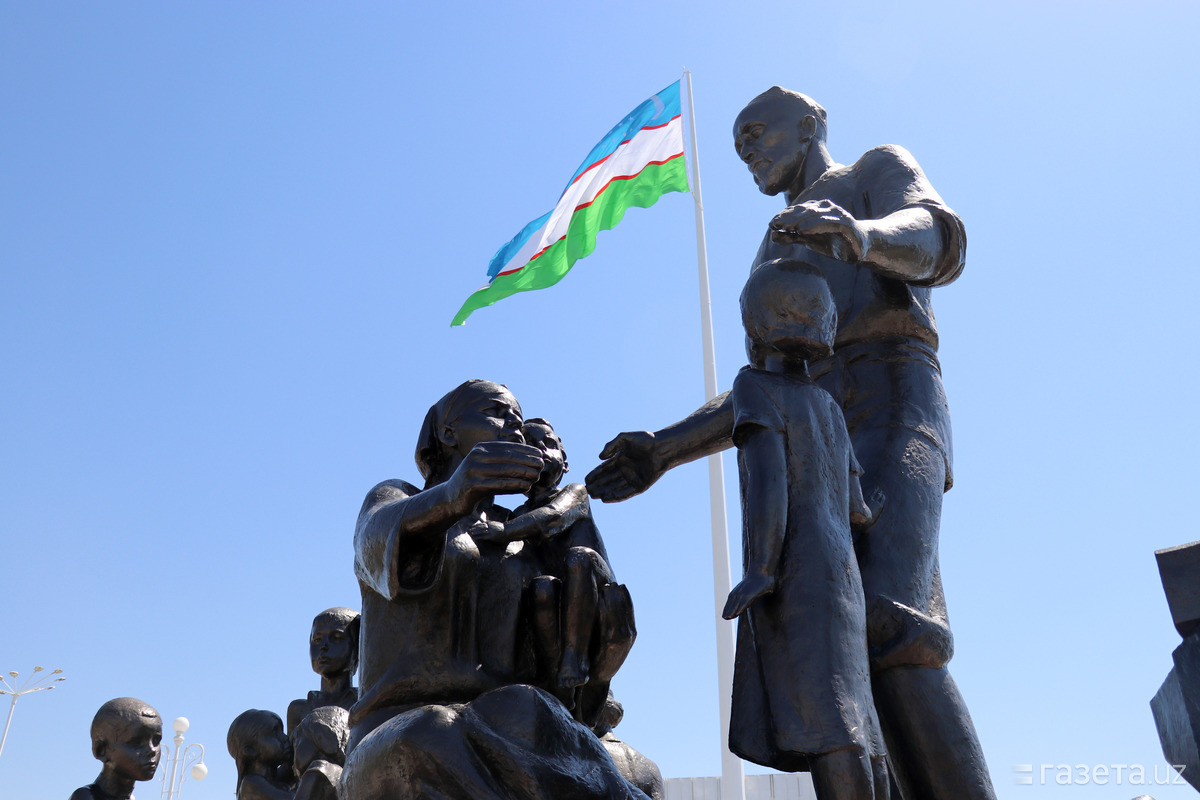
Every year on 30 July, the International Day of Friendship is widely observed around the world. This date was established pursuant to a resolution adopted by the United Nations General Assembly on 27 April 2011. It is intended to strengthen mutual trust among peoples, nations and cultures, promote peace and harmony, and advance the principles of tolerance and mutual respect.
In today’s globalised world, strengthening interethnic harmony and friendly relations is one of the key factors of sustainable development. The peaceful coexistence of representatives of different nations, ethnic groups and religious communities on the basis of mutual respect, equality and cooperation is an important prerequisite for ensuring social stability, reinforcing civic solidarity and safeguarding human rights.
Established by the United Nations, this international observance recognises friendship not only as a form of interpersonal relations, but also as a universal human value that contributes to stronger cooperation among states, peoples and cultures. In this regard, the principal aims of the International Day of Friendship are to prevent conflict, promote social harmony and foster a culture of peace through mutual trust, tolerance, dialogue and solidarity.
Uzbekistan has long been a country where representatives of different nations and ethnic groups live in peace and harmony, while interethnic accord and religious tolerance have become firmly established as priorities of state policy. Today, representatives of more than one hundred nations and ethnic groups, as well as various religious communities, live in an atmosphere of mutual respect and unity, contributing together to the prosperity of their shared homeland. This is one of the key social foundations of the development of New Uzbekistan.

The Republican Center for the Study of Public Opinion "Ijtimoiy Fikr" regularly conducts sociological research on interethnic relations, social harmony, civic solidarity, tolerance, national values, public trust and social stability in the country. Through nationwide sociological surveys carried out by the Center, in-depth analysis is conducted of public assessments of interethnic relations, the level of mutual trust among different social groups, the climate of tolerance, social solidarity and the factors that contribute to strengthening civic unity.
The findings of these studies are of significant scientific and practical importance for ensuring social stability in the country, further strengthening interethnic harmony, assessing public sentiment, enhancing trust between the state and society, and improving social policy based on the principles of humanism.
The International Day of Friendship contributes to strengthening the constructive values that unite people — mutual respect, trust, tolerance and solidarity. Preserving interethnic harmony and social unity, developing cooperation among civil society institutions, government bodies and the wider public, and promoting peace and sustainable development through the regular study of public opinion remain among the most pressing tasks of our time.