


18.08.2026
99
ENTREPRENEURS’ VIEWS — OPPORTUNITIES AND CHALLENGES IN THE BUSINESS ENVIRONMENT ARE BEING STUDIED
Encouraging entrepreneurial initiatives, ensuring the inviolability of private property, protecting the rights and legitimate interests of business entities, and creating a competitive business environment are among the priority areas of economic reforms in our country. In this process, studying entrepreneurs’ practical experience, their assessment of existing conditions, and their development needs through scientific methods serves as an important source of information for increasing the accuracy and targeted nature of management decisions.
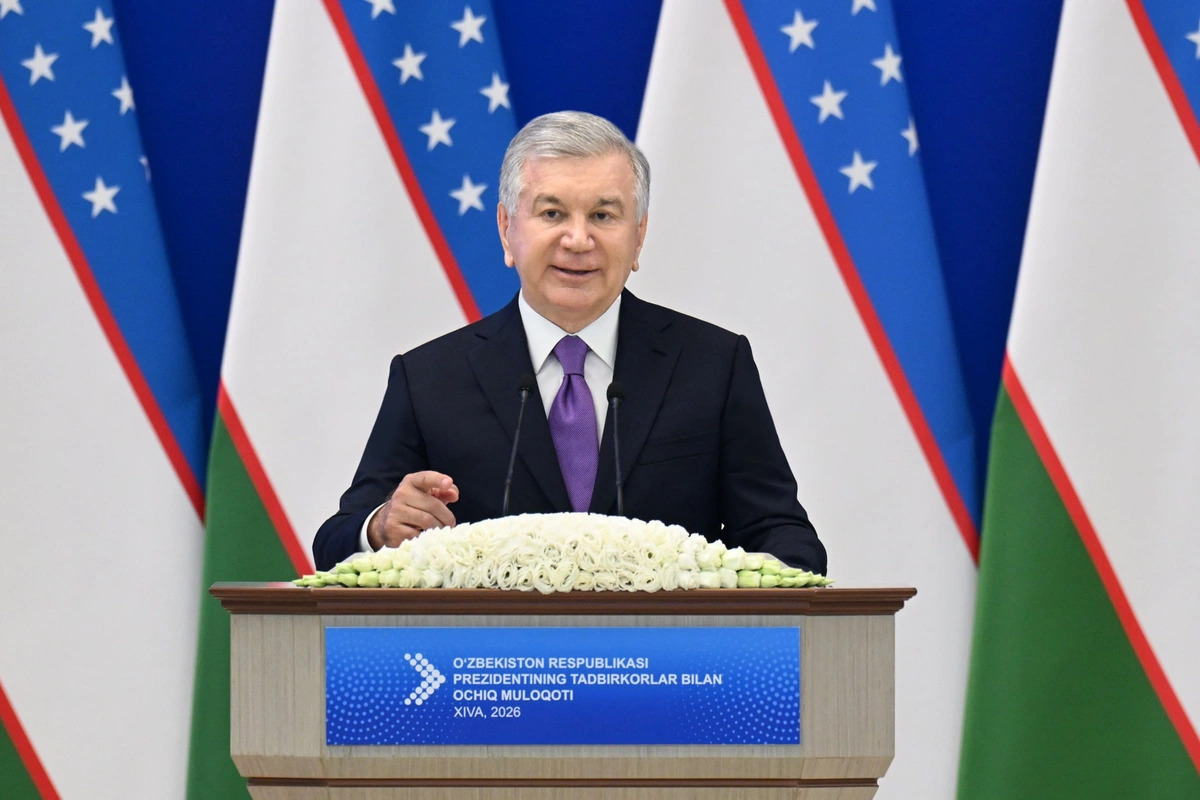
As part of preparations for the upcoming open dialogue between the President of the Republic of Uzbekistan and entrepreneurs, particular attention is being paid to directly studying the issues that concern the business community, summarizing appeals and proposals, and developing practical solutions to identified problems. For this purpose, meetings, dialogues and surveys are being organized with the participation of representatives of ministries and government agencies, while economic, financial, infrastructural, tax-related and legal issues affecting entrepreneurial activity are being examined.
These processes demonstrate the growing need for a scientifically grounded study of entrepreneurs’ opinions. This is because the actual state of the business environment cannot be fully assessed solely through official economic indicators. Entrepreneurs’ day-to-day practical experience, their assessment of existing opportunities and barriers, and their plans for the future help reveal the social dimension of changes taking place in the business sector.
In view of these pressing tasks, the Republican Center for the Study of Public Opinion “Ijtimoiy Fikr” is conducting a sociological survey entitled “Entrepreneurs’ Assessment of the Business Environment and Conditions for Doing Business.”
The main objective of the study is to assess the current state of the entrepreneurial environment in the country by examining entrepreneurs’ practical experience, personal assessments and needs, systematically analyzing the factors affecting the development of the sector, and developing scientifically grounded conclusions and proposals aimed at addressing existing problems.
The survey examines the annual turnover and employment indicators of business entities, entrepreneurs’ level of satisfaction with their activities, the current financial and economic condition of enterprises, as well as assessments of changes that have taken place over the past twelve months. This will make it possible to assess the economic sustainability of businesses of different sizes, their development opportunities and expectations regarding future activity.
The study examines the impact on entrepreneurial activity of such factors as the adequacy of customer demand, the level of competition, the tax burden, administrative procedures, shortages of working capital, access to loans and other sources of financing, rising prices for raw materials and resources, and a shortage of qualified personnel.
In addition, infrastructure conditions are assessed from the perspective of entrepreneurs, including electricity, gas and water supply, the quality of internet connectivity, the condition of roads, transport and logistics costs, the availability of production, retail and warehouse premises, and access to utility and engineering networks.
The survey also pays particular attention to the activities of tax authorities, procedures for calculating taxes and submitting reports, the functioning of electronic tax systems, inspections, fines and penalties, as well as issues related to the refund of overpaid amounts. The study examines entrepreneurs’ experience in using bank loans, interest rates, loan terms, collateral requirements, grace periods, as well as their needs for leasing, grants, subsidies, investment financing and Islamic finance instruments.
Barriers to participation in public procurement and tenders, opportunities to use electronic platforms, the volume of required documentation, the transparency of competitive procedures, and difficulties related to recruiting qualified personnel are also among the important areas covered by the study.
The research assesses entrepreneurs’ need for state support, the support measures they consider most important, the level of protection of their rights, and the effectiveness of policies aimed at supporting entrepreneurship. At the same time, it examines changes in corruption risks, entrepreneurs’ plans to continue their business activities, and the economic, organizational and social factors that may affect the likelihood of business closure.
The survey findings will provide a reliable empirical basis for identifying existing opportunities and barriers in the business environment, classifying problems according to their level of urgency, and assessing the targeting and effectiveness of state support measures.
The study conducted by the “Ijtimoiy Fikr” Center is intended to provide an objective assessment of entrepreneurs’ views and opinions, reflect their real needs in public opinion, and support dialogue between government bodies and the business community with reliable sociological data.