


07.10.2026
35
PUBLIC PARTICIPATION IN ANTI-CORRUPTION EFFORTS: NATIONAL EXPERIENCE AND INTERNATIONAL PRACTICES
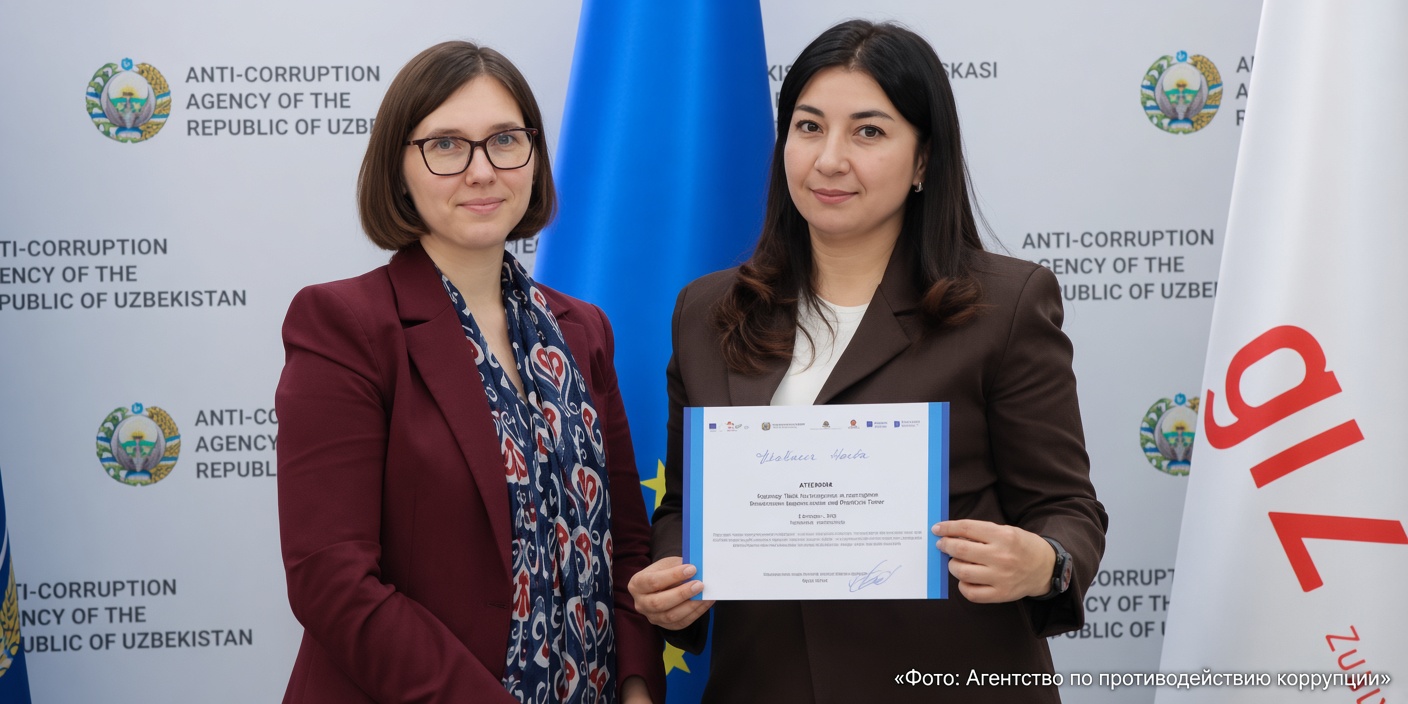
On October 5, 2026, a training seminar for representatives of non-governmental non-profit organizations (NGOs) and civil society institutions was held at the Anti-Corruption Agency of the Republic of Uzbekistan. The event focused on corruption prevention, the development of effective mechanisms for public oversight, and the exchange of international experience.
The event was organized within the framework of the project “Improving Public Governance in Uzbekistan – Inclusive Corruption Prevention,” in cooperation with the Anti-Corruption Agency of the Republic of Uzbekistan, the European Union, the German Agency for International Cooperation (GIZ), the Central Finance and Contracting Agency of Latvia and «Transparency International Latvia». The main objective of the event was to strengthen the participation of civil society institutions in combating corruption and to develop practical skills for organizing effective public oversight.
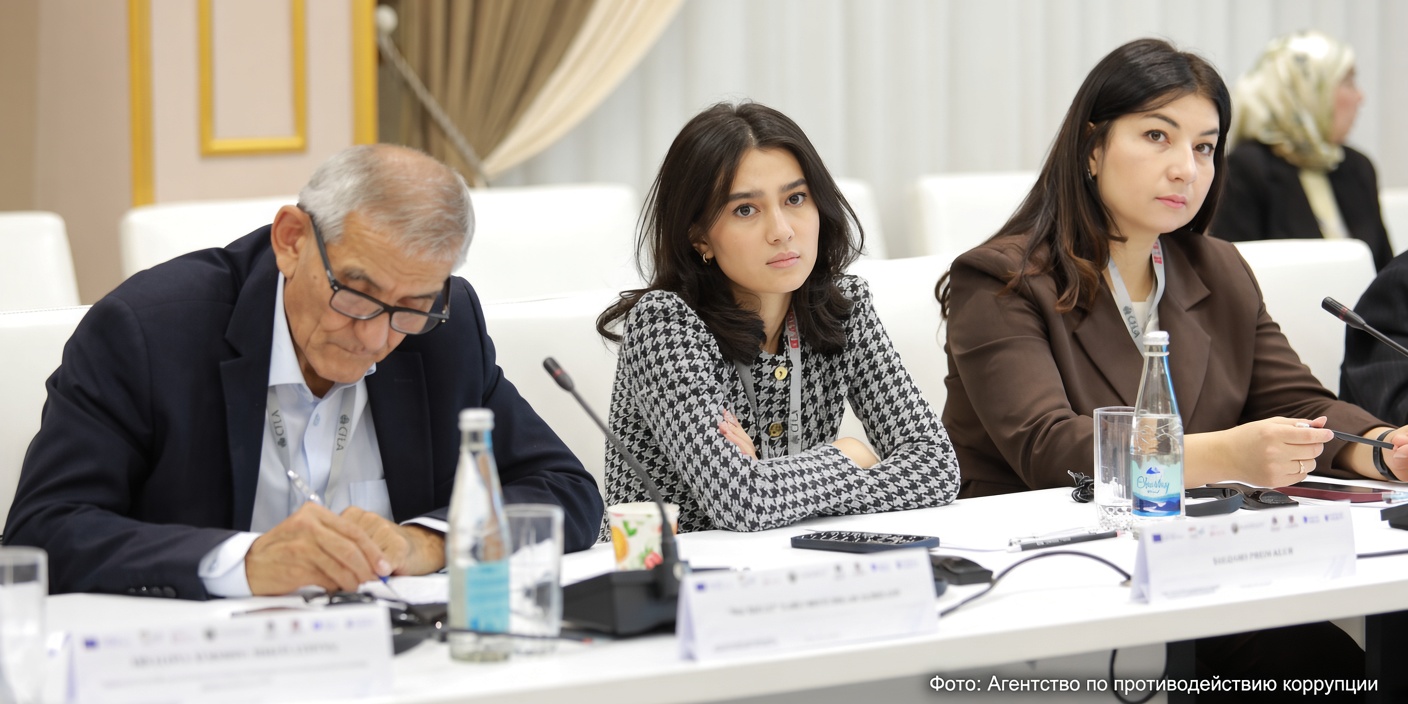
Sh. Boboev and U. Khalikova, representatives of the Republican Center for the Study of Public Opinion “Ijtimoiy Fikr,” participated in the training seminar.
The Center’s participation in the event highlights the importance of sociological research and evidence-based analysis in developing mechanisms for public oversight and in combating corruption. Public opinion research helps identify citizens’ attitudes toward corruption, assess the level of public engagement and trust in existing mechanisms, and pinpoint areas for further improving cooperation between government bodies and civil society institutions.
The event also brought together national and international experts, including Arturs Bikovs, an expert and researcher at Transparency International Latvia; Aigul Akmatzhanova, an expert at Transparency International Kyrgyzstan; and Foziljon Otakhonov, Chairman of the Public Council under the Anti-Corruption Agency and Deputy Director of the Republican Public Association “Institute for Democracy and Human Rights.” The dialogue provided an opportunity to discuss the role of civil society in corruption prevention, drawing on the experiences of various countries.
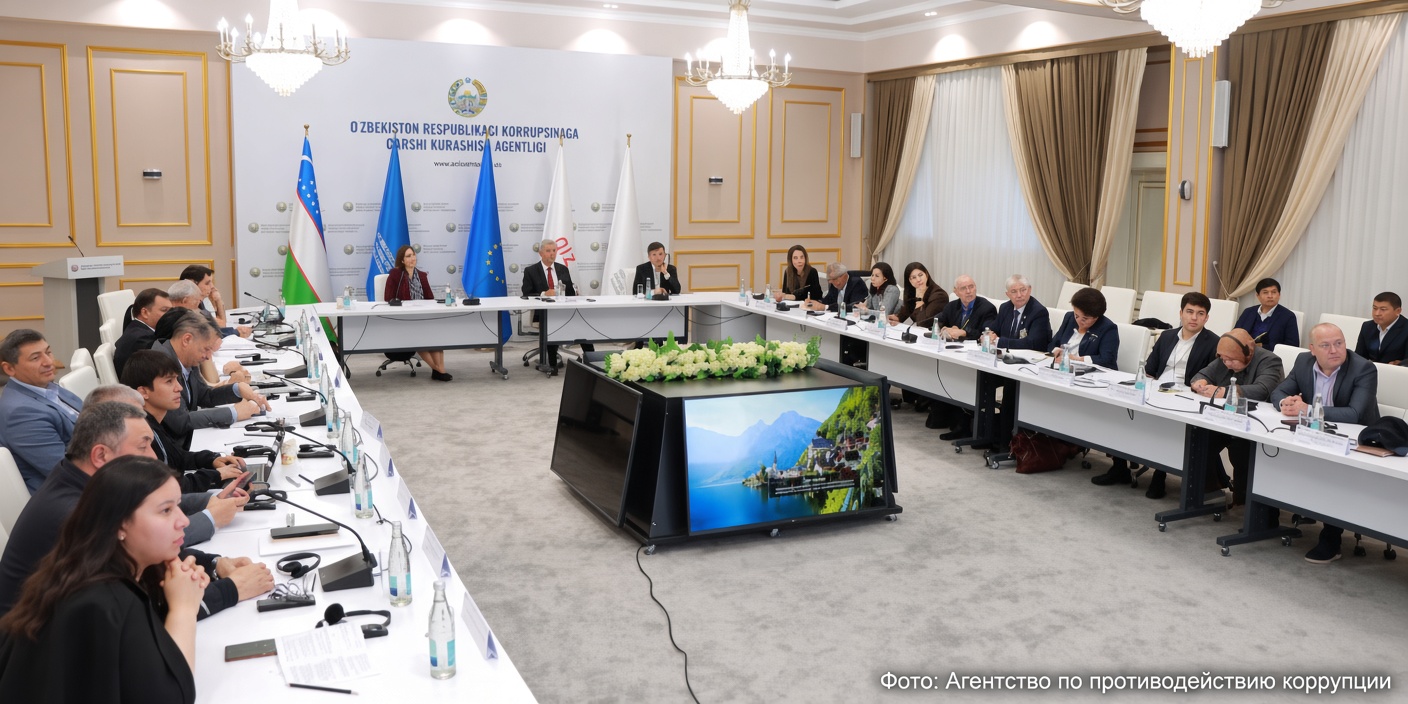
The first part of the seminar focused on the role of civil society in preventing corruption and strengthening the accountability of public institutions. Public oversight, monitoring, public expert assessments, participation in discussions of draft decisions, and the development of evidence-based proposals and recommendations were considered important tools for NGO activities. The participants also examined the experience of civil society organizations in contributing to anti-corruption reforms in Central Asian countries.
Particular attention was paid to organizing public monitoring using evidence-based approaches. Discussions covered methods for using open data, official documents, and government portals; identifying potential corruption risks in public procurement and the provision of public services; and collecting, verifying, and comparing information from different sources. During practical sessions, participants worked in groups to formulate monitoring questions and develop public monitoring plans.
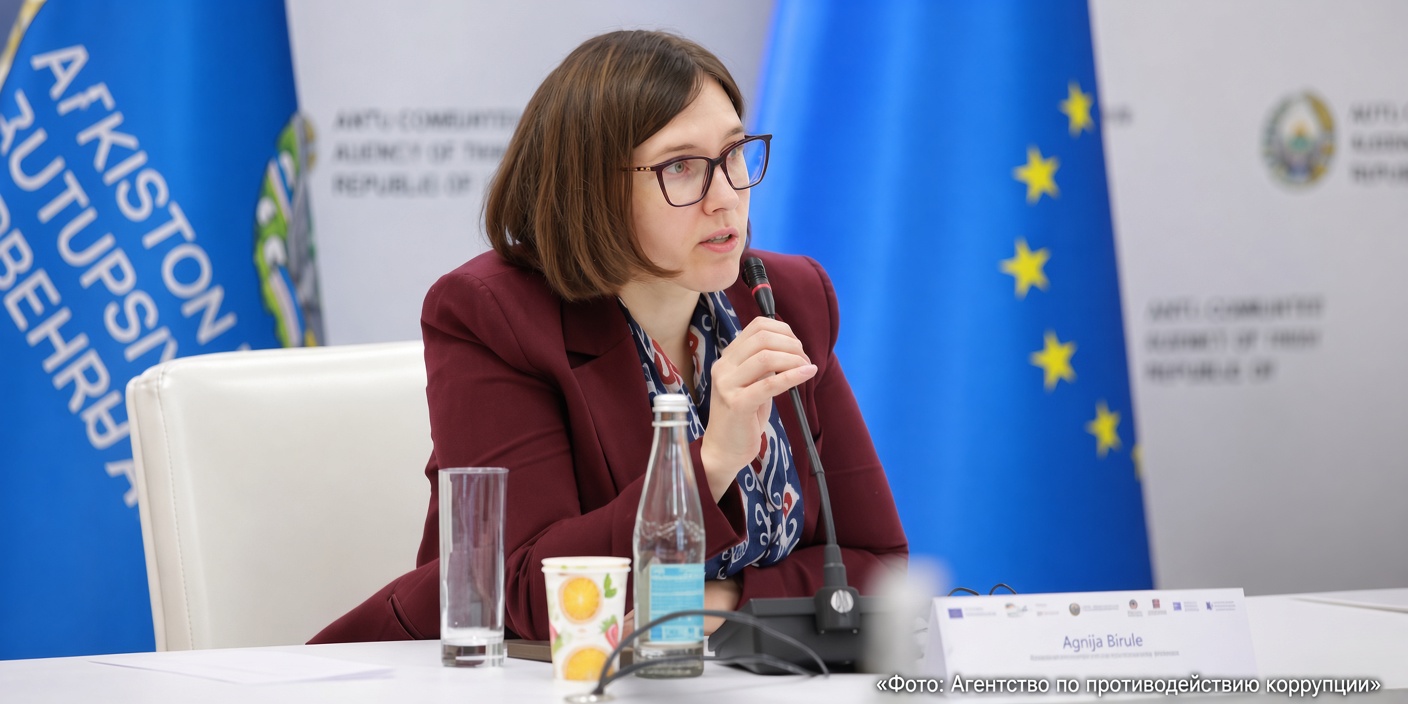
Another important focus of the seminar was international anti-corruption standards and public monitoring of their implementation. The participants reviewed the United Nations Convention against Corruption (UNCAC), the fifth round of monitoring under the OECD Istanbul Anti-Corruption Action Plan, and the involvement of NGOs in preparing alternative reports. They compared international standards with national practices and completed practical exercises aimed at developing findings and recommendations based on factual evidence.
One of the key topics of discussion was the public anti-corruption assessment of legal acts. In particular, the participants examined risk factors such as excessively broad discretionary powers of public officials, unclear criteria and deadlines, unjustified exemptions, excessive requirements and procedures, and insufficient transparency in oversight processes. Attention was also given to the practical involvement of NGOs in conducting anti-corruption assessments of legislative acts in Uzbekistan.
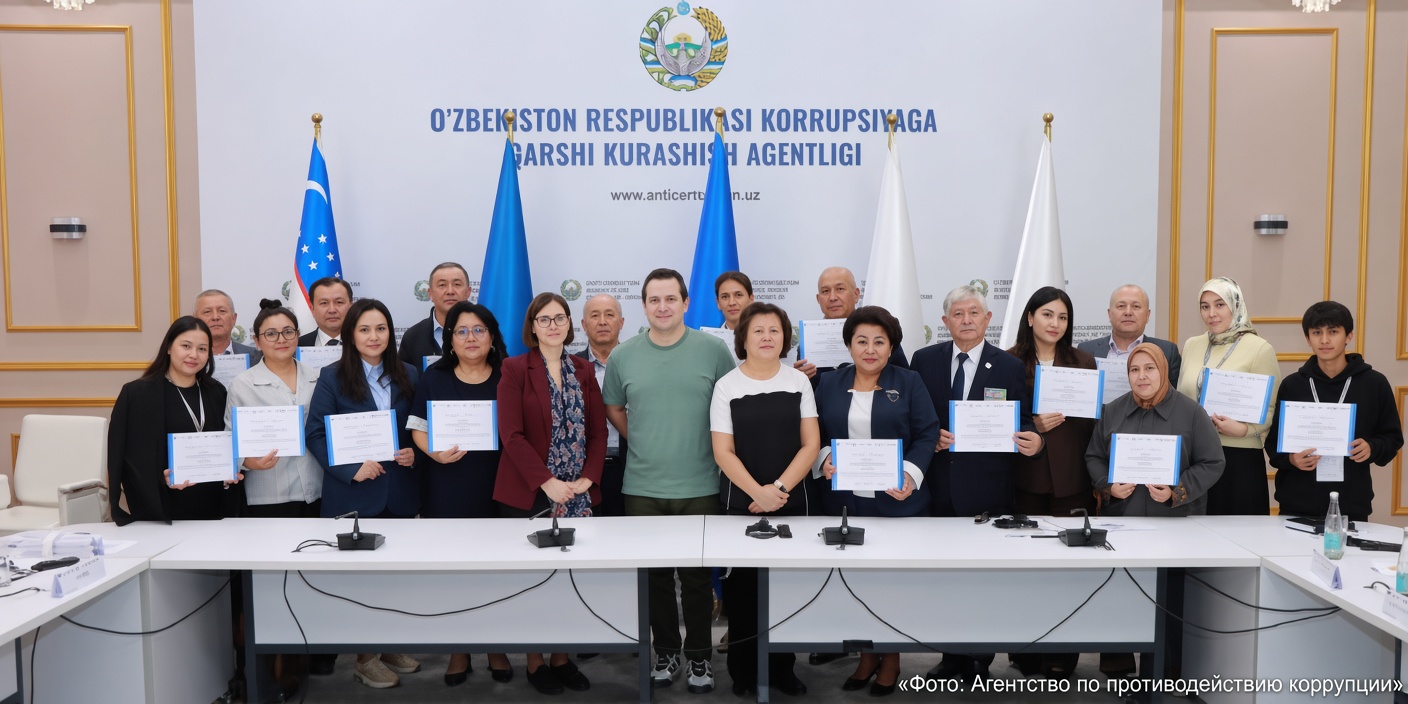
During the practical part of the event, participants discussed opportunities for integrating public monitoring, international standards, and public expert assessments, exchanged experiences, and put forward proposals on future areas of cooperation.
In the current context, alongside institutional mechanisms for preventing corruption, regular public opinion research, analysis of public attitudes and levels of trust in government institutions, and the identification of changes in social attitudes are becoming increasingly important. From this perspective, cooperation among government bodies, civil society institutions, and research organizations specializing in public opinion studies helps ensure that anti-corruption policies are aligned with the actual needs of society and ongoing social developments.