


14.10.2026
17
INTERNATIONAL STADA HEALTH REPORT 2026 PRESENTED IN TASHKENT

Developing the healthcare system, improving the quality and accessibility of medical care, promoting public health and increasing life expectancy are among Uzbekistan’s strategic priorities. The reforms underway in the country aim to improve medical services, strengthen disease prevention and introduce modern technologies. New initiatives include the development of a national programme to protect public health and increase life expectancy.
Amid ongoing reforms, public opinion research plays an important role in assessing citizens’ satisfaction with medical services, identifying pressing issues and taking the needs of the population into account when determining priorities for healthcare development.
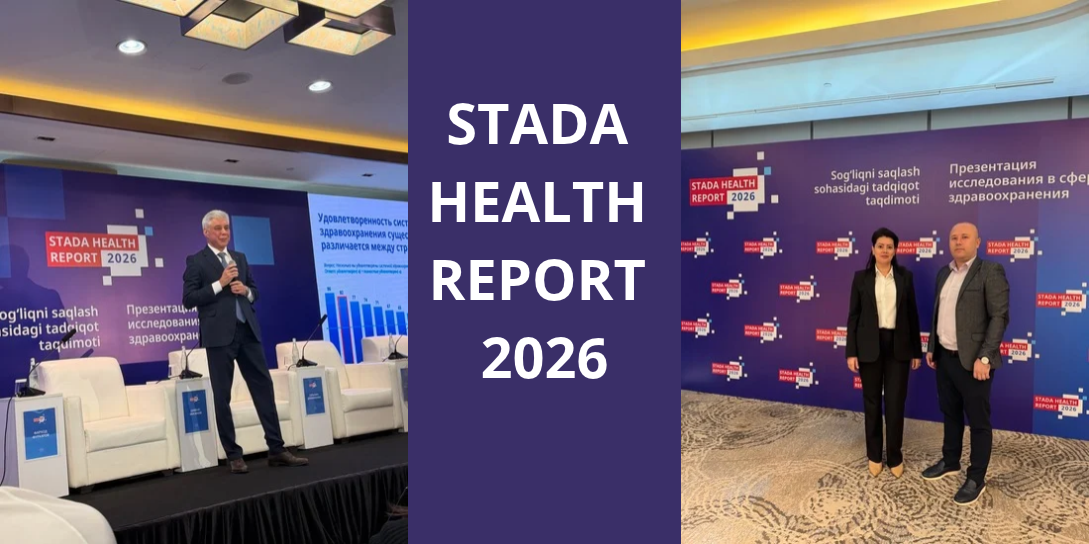
On 7 October 2026, a presentation of the international study STADA Health Report 2026, conducted at the initiative of the pharmaceutical company STADA Arzneimittel AG, took place in Tashkent. The 2026 edition covered 20 countries, including Uzbekistan, which participated in the survey for the fourth time.
According to the findings presented, 82% of respondents in Uzbekistan were satisfied with the national healthcare system. This was one of the highest levels of satisfaction among the participating countries, with only Belgium recording a higher figure (86%). The average across all countries participating in the study was 56%.
The study also identified the population’s main concerns and expectations. Among the most pressing healthcare issues, respondents in Uzbekistan highlighted environmental factors (52%), as well as obesity and unhealthy lifestyles (44%). Meanwhile, 59% of respondents considered improving access to medical care in rural areas and areas with limited access to healthcare a priority for healthcare development.
The study also examined self-care and the digitalisation of healthcare. According to the findings, 92% of respondents considered self-treatment acceptable for certain health problems, while 55% already used artificial intelligence (AI) to address health-related issues. The highest rate of AI use was recorded among respondents under the age of 35 (69%).
At the same time, the findings indicate that personal interaction with healthcare professionals remains important: 75% of respondents preferred face-to-face consultations with doctors, while 80% preferred traditional preventive medical check-ups. In addition, 63% of respondents preferred to purchase medicines directly from pharmacies.
The findings of STADA Health Report 2026 are valuable for understanding public perceptions of Uzbekistan’s healthcare system from an international comparative perspective. They help identify the needs of the population, assess public attitudes towards medical innovations and determine priority areas for further improvements to the healthcare system.