


07.04.2026
58
APRIL 9 — THE BIRTHDAY OF THE GREAT COMMANDER AMIR TEMUR!
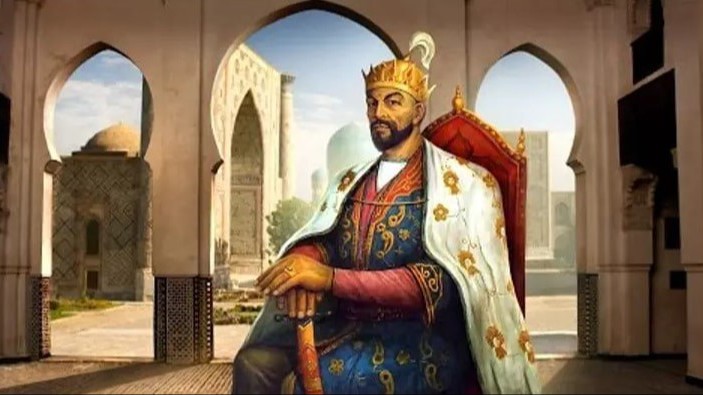
The great statesman and military commander Amir Temur was born on April 9, 1336, in the city of Kesh, now known as Shakhrisabz. Amir Temur was one of the most prominent statesmen and outstanding military leaders of his time. His name entered world history as that of a great historical figure who created a centralized state, established a strong political system, and united vast territories.
In his time, Amir Temur transformed Samarkand not only into a political capital, but also into a center of science, culture, and trade. The architectural monuments erected in Samarkand, the flourishing scholarly environment, and economic activity made the Timurid era a special stage in history. Amir Temur’s system of state governance was based on the principles of centralization, strict discipline, and justice.
Amir Temur’s philosophy of statehood and principles of governance were reflected in the work known as the “Code of Temur” (Tuzuk-i-Timuri). This work addresses, from a scholarly and practical perspective, such issues as the ruler’s responsibility, the rule of law, and the maintenance of order and stability in society. Even today, it remains an important source for understanding state governance and social relations.
Historical information about Amir Temur’s personality and activities is widely presented in reliable sources such as the “Zafarnama.” These sources contain important facts about the commander’s military campaigns, political decisions, and experience in state-building.
The idea advanced by Amir Temur — “Strength is in Justice” — reflects the essence of all his activities. In his view, the stability of the state rests on justice, discipline, and carefully thought-out policy. These principles retain their significance today and are regarded as an important theoretical foundation for social development.
April 9 — the birthday of Amir Temur — is not only a historical date, but also an opportunity to once again reflect on the traditions of national statehood, spiritual heritage, and historical memory. This date is of great importance for studying the legacy of this great ancestor, drawing lessons from his life and work, and fostering patriotism and a sense of responsibility in the younger generation.