


16.05.2026
103
A Practical Training Session on “Integrating a Gender Approach into Anti-Corruption Measures” Was Held
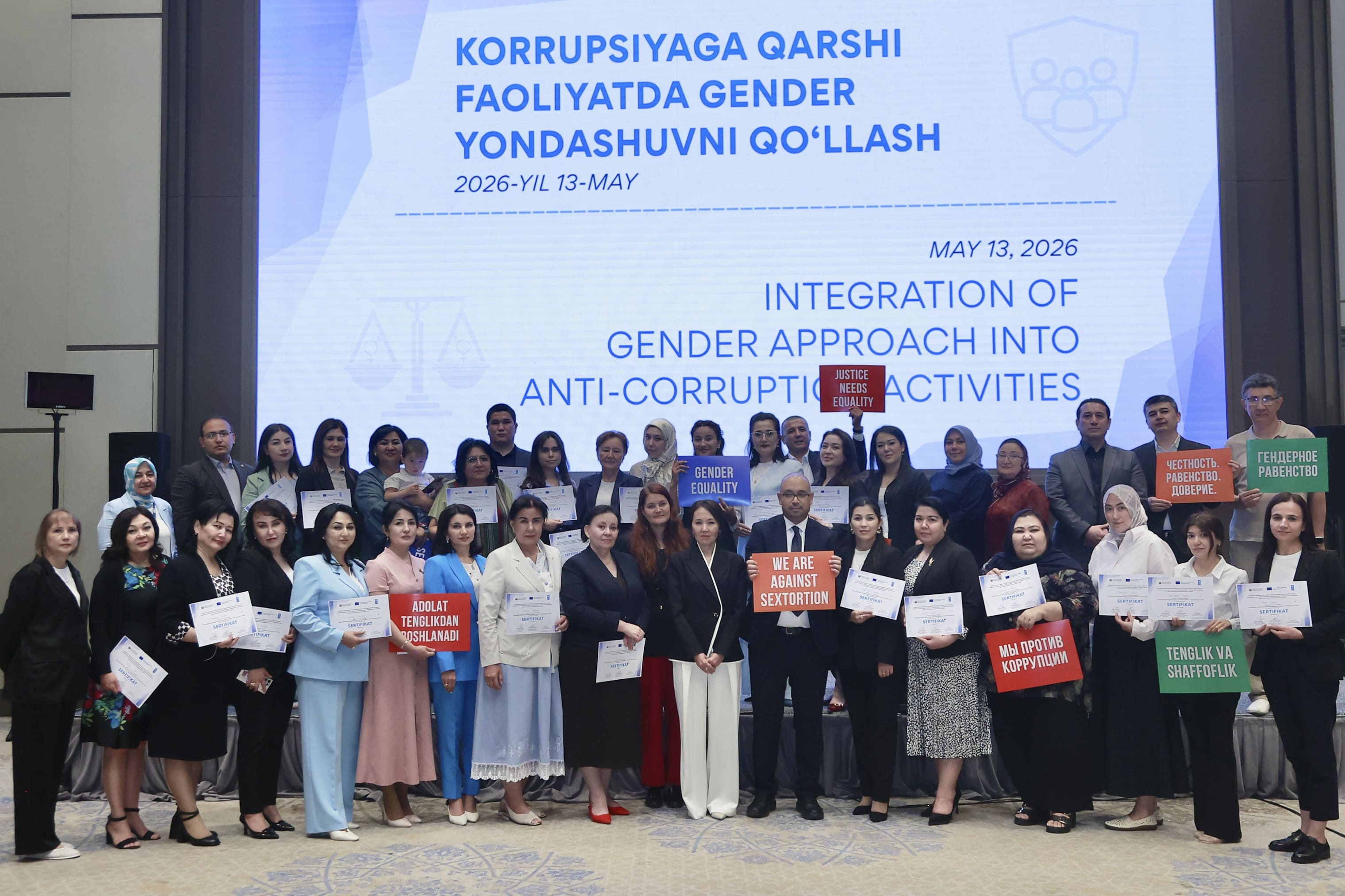
On May 13 of this year, a practical training session on “Integrating a Gender Approach into Anti-Corruption Measures” was organized in Tashkent by the Anti-Corruption Agency of the Republic of Uzbekistan, the United Nations Development Programme, and the European Union within the framework of the Tashkent Anti-Corruption Forum.
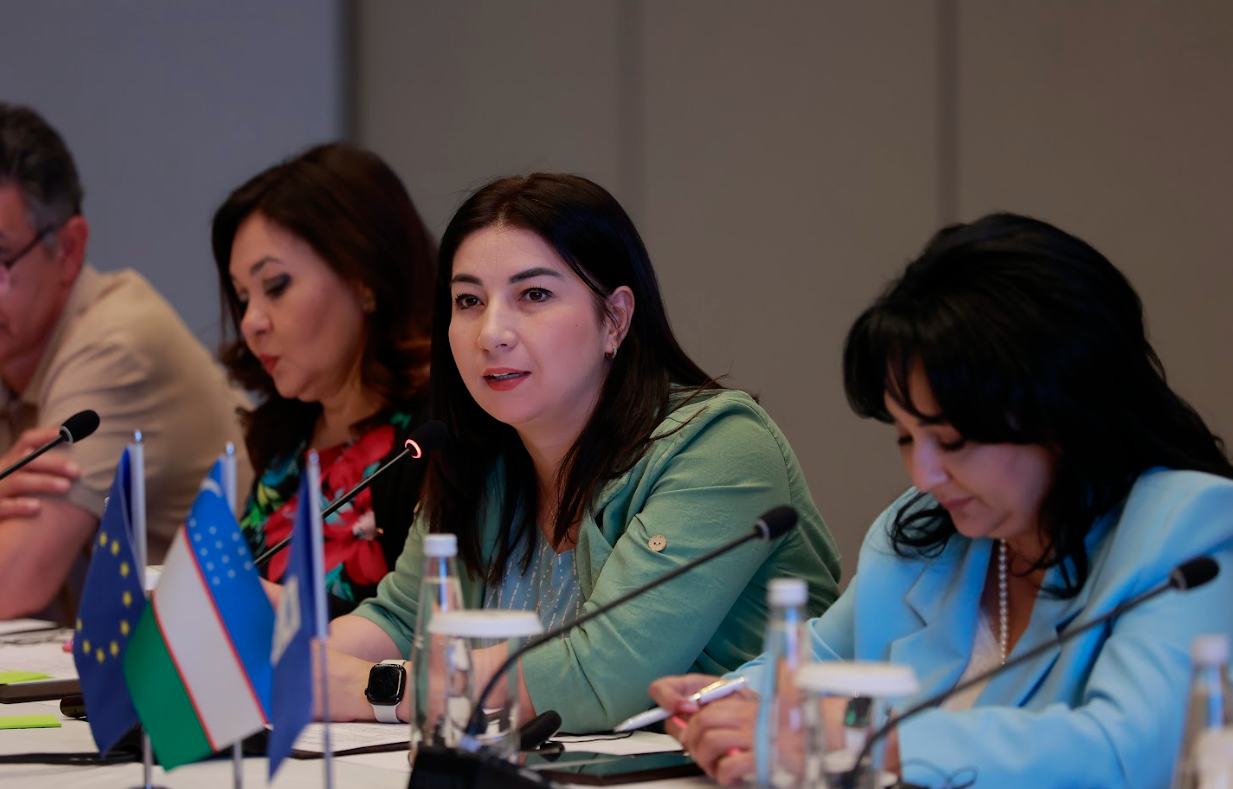
The training was attended by representatives of government bodies, international organizations, civil society institutions, and non-governmental non-profit organizations. Umida Khalikova, an employee of the Republican Center for the Study of Public Opinion “Ijtimoiy Fikr”, also participated in the event.
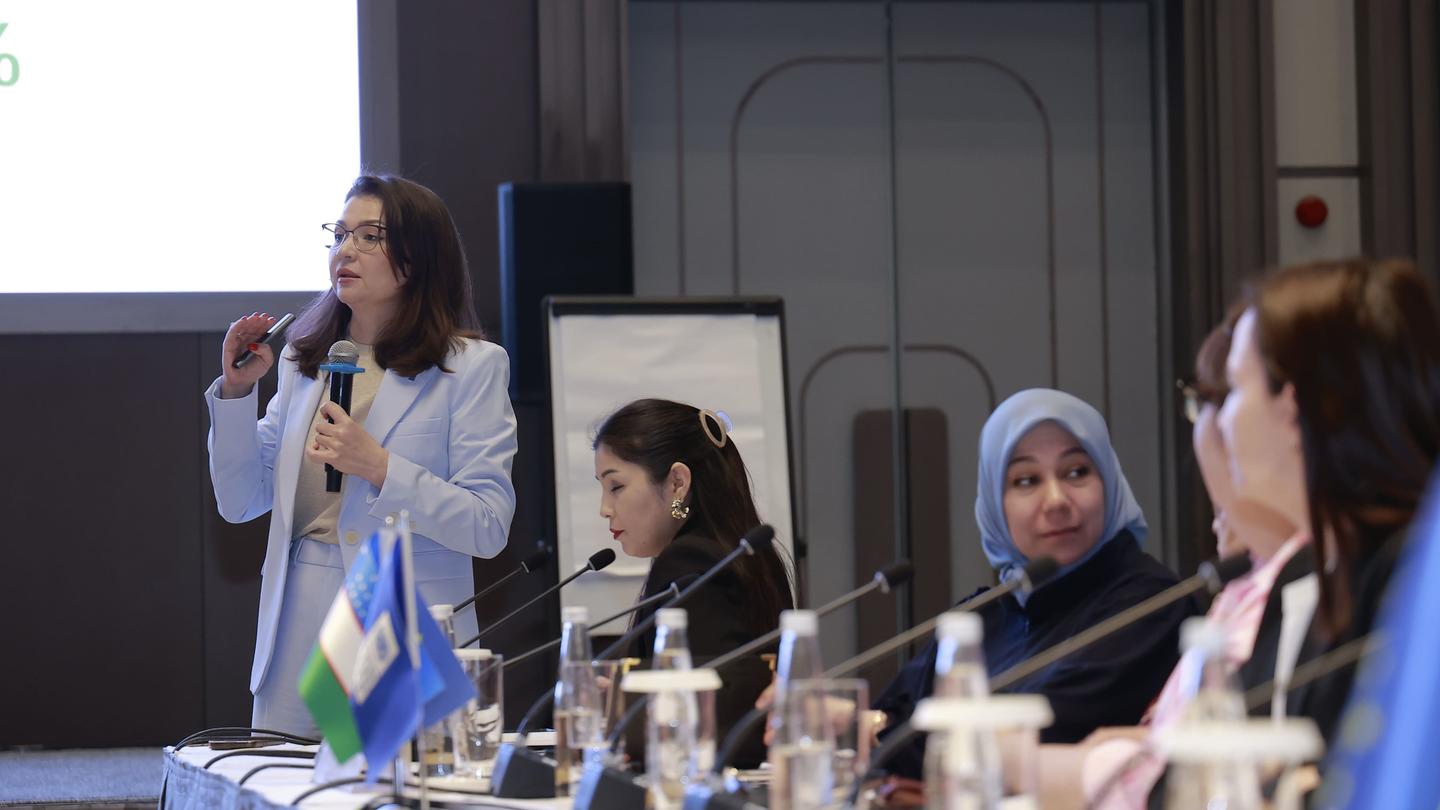
The main purpose of the event was to integrate a gender approach into anti-corruption policy, analyze the social consequences of corruption from a gender perspective, and conduct an in-depth study of the factors affecting various social groups of the population. In addition, special attention was paid to developing participants’ practical skills in establishing anti-corruption mechanisms based on a gender-sensitive approach.
During the training, participants discussed issues related to the conceptualization of corruption, systemic analysis of its causes and consequences, the gender dimension of corruption, its impact on socially vulnerable groups, as well as practical cases of corruption manifestations in the fields of education, social services, and the judicial system. Participants exchanged views in small groups using interactive exercises, brainstorming methods, and the “problem and solution tree” approach.
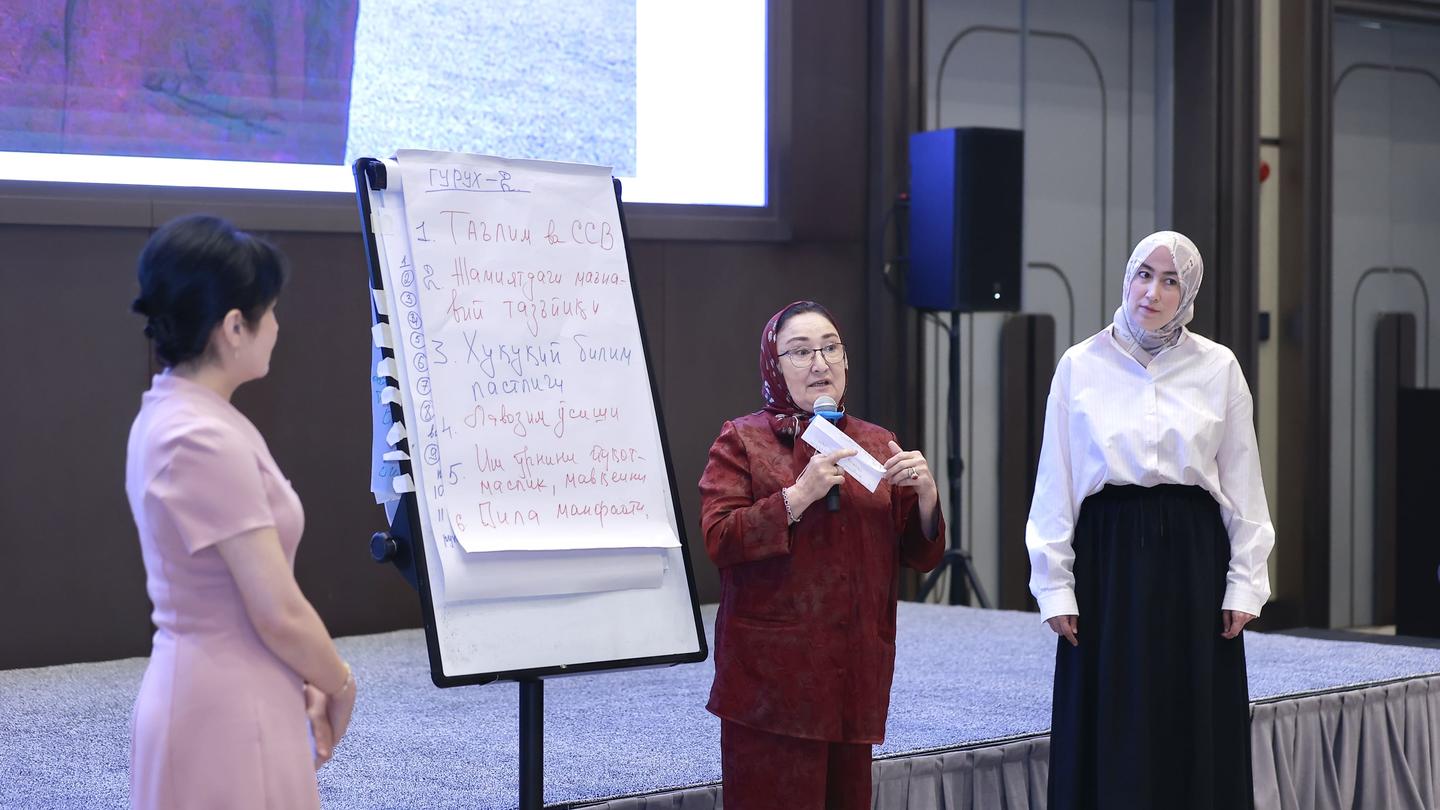
Within the framework of the event, the interconnection between corruption and gender inequality, forms of corruption based on gender roles, as well as issues related to the development of anti-corruption policy tools sensitive to gender aspects were comprehensively examined. Discussions involving international experts and specialists provided participants with an opportunity to become familiar with practical experience and advanced approaches.
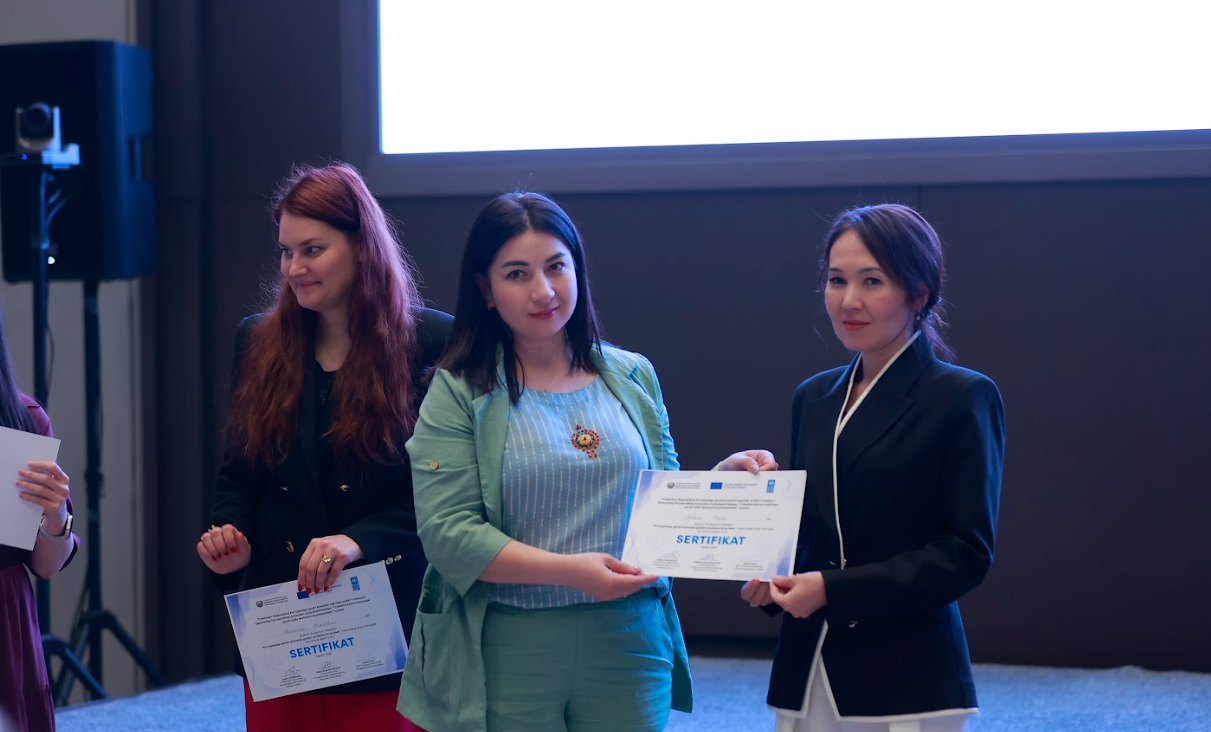
At the conclusion of the training, participants were awarded certificates, and the importance of further strengthening cooperation between government bodies and civil society institutions in the field of combating corruption was emphasized.