


20.05.2026
57
An International Scientific and Practical Conference Was Held on the Topic:
“The Model of a Prosperous Family in New Uzbekistan: National Experience, Scientific Analysis, and Innovative Approaches”
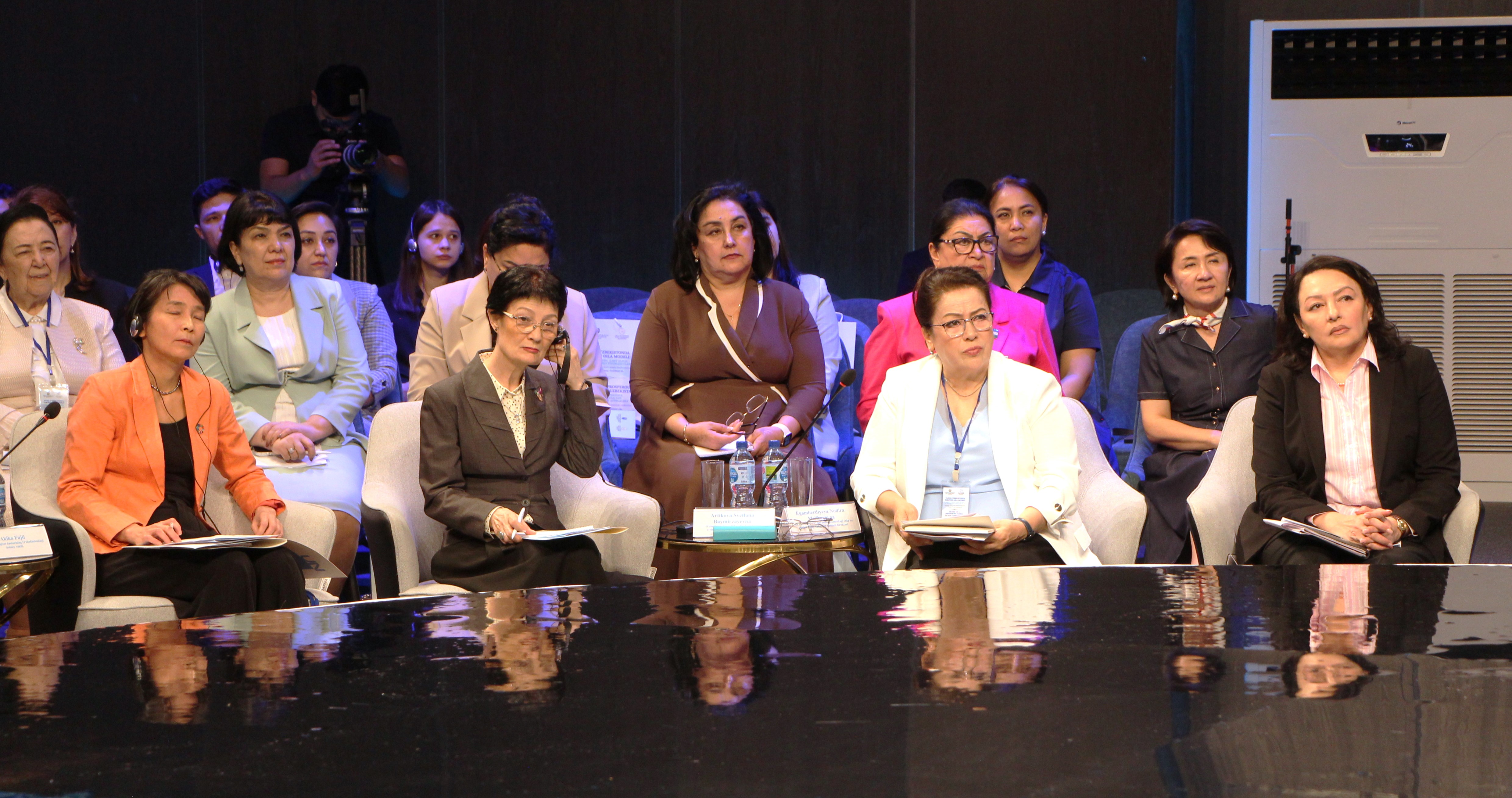
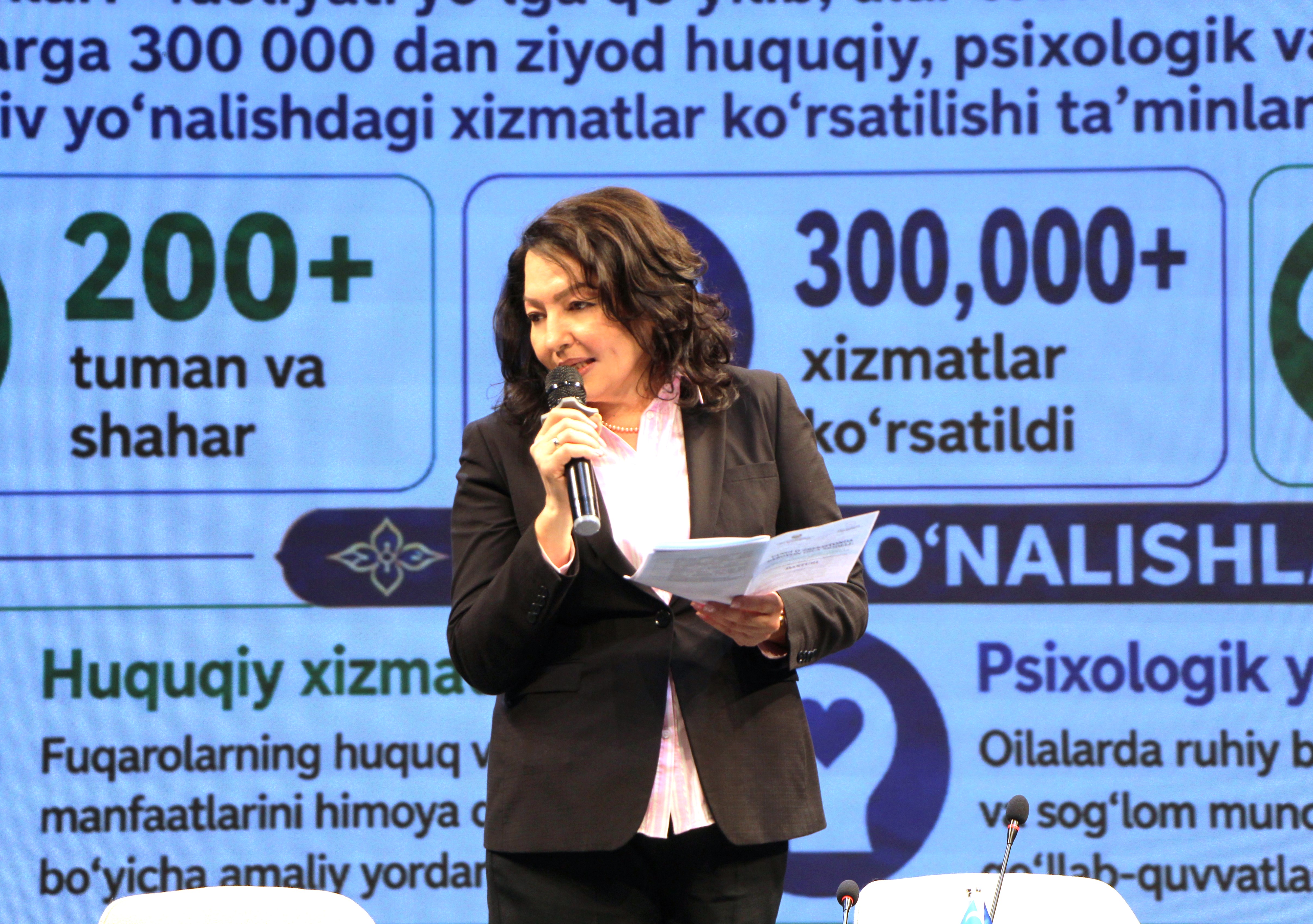
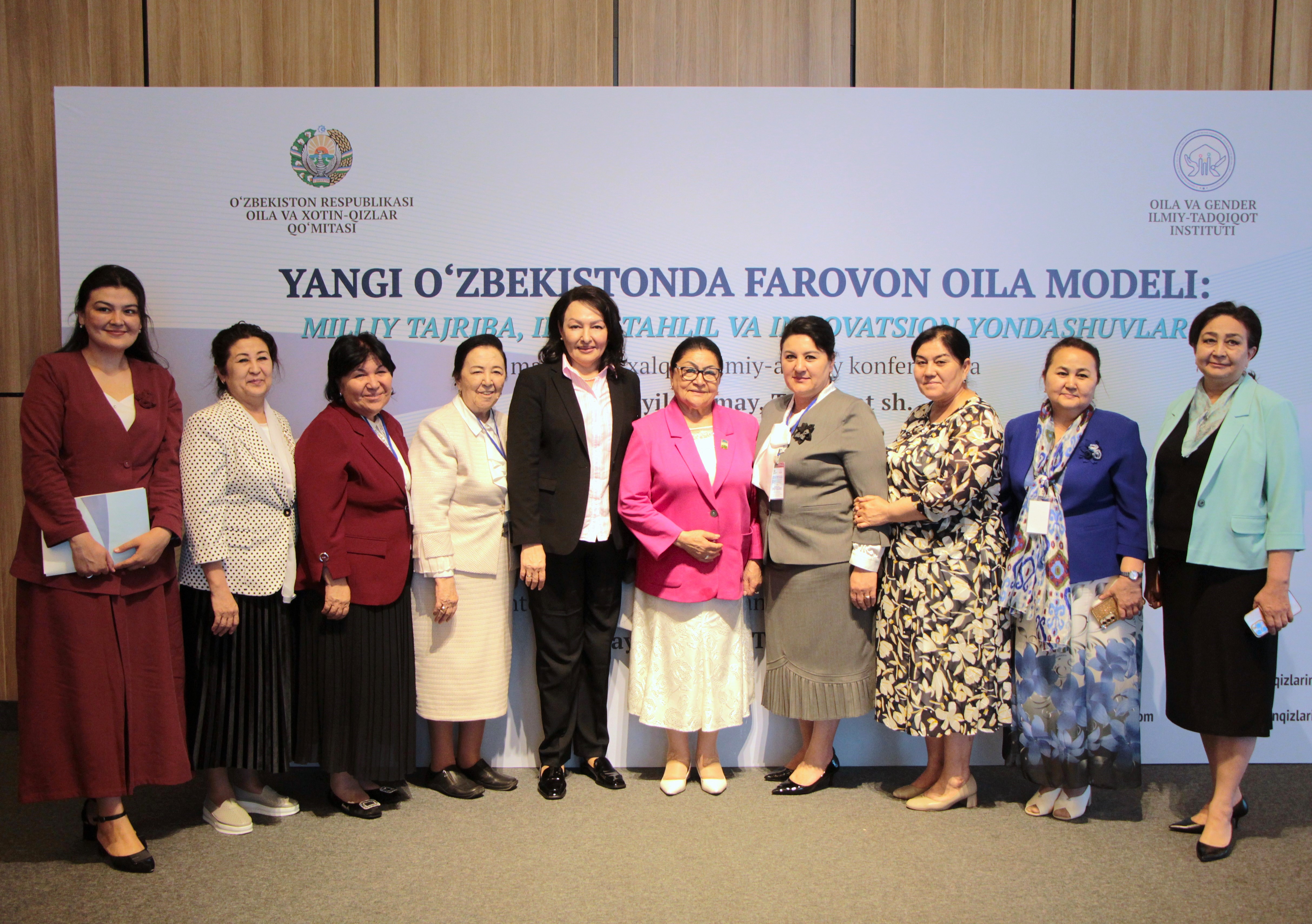
On May 19 of the current year, an international scientific and practical conference on the topic “The Model of a Prosperous Family in New Uzbekistan: National Experience, Scientific Analysis, and Innovative Approaches” was held in Tashkent at the Renaissance House of Cinema. The event was organized at the initiative of the Research Institute of Family and Gender under the Committee for Family and Women of the Republic of Uzbekistan.
The international conference was devoted to discussing modern mechanisms for strengthening the institution of the family, ensuring gender equality, supporting demographic stability, preserving family values, and forming a model of a prosperous family in the context of digital transformation. The forum became an important platform for constructive dialogue and exchange of experience among government organizations, international institutions, research centers, higher educational institutions, and the expert community.
The conference was attended by Malika Akbarovna Kadirkhanova, Senator of the Oliy Majlis of the Republic of Uzbekistan; Mukarram Akhmedovna Nurmatova, Deputy Chairperson of the Committee for Family and Women; Sabine Machl, UN Resident Coordinator in Uzbekistan; Nigina Abaszadeh, Head of the UNFPA Representative Office in Uzbekistan; representatives of UNICEF; Yuri Sterk, Senior Coordinator of the ILO in Uzbekistan; Feruza Farkhodovna Eshmatova, Authorized Person of the Oliy Majlis of the Republic of Uzbekistan for Human Rights — Ombudsman and Doctor of Law; as well as representatives of a number of local and international organizations.
During the opening of the conference, important views were expressed regarding support for the institution of the family, ensuring women’s rights, and the strategic significance of the family in the development of human capital and a sustainable society. In particular, it was emphasized that strengthening the institution of the family, social protection, and ensuring gender equality are defined as among the priority areas of state policy in the Development Strategy of New Uzbekistan.
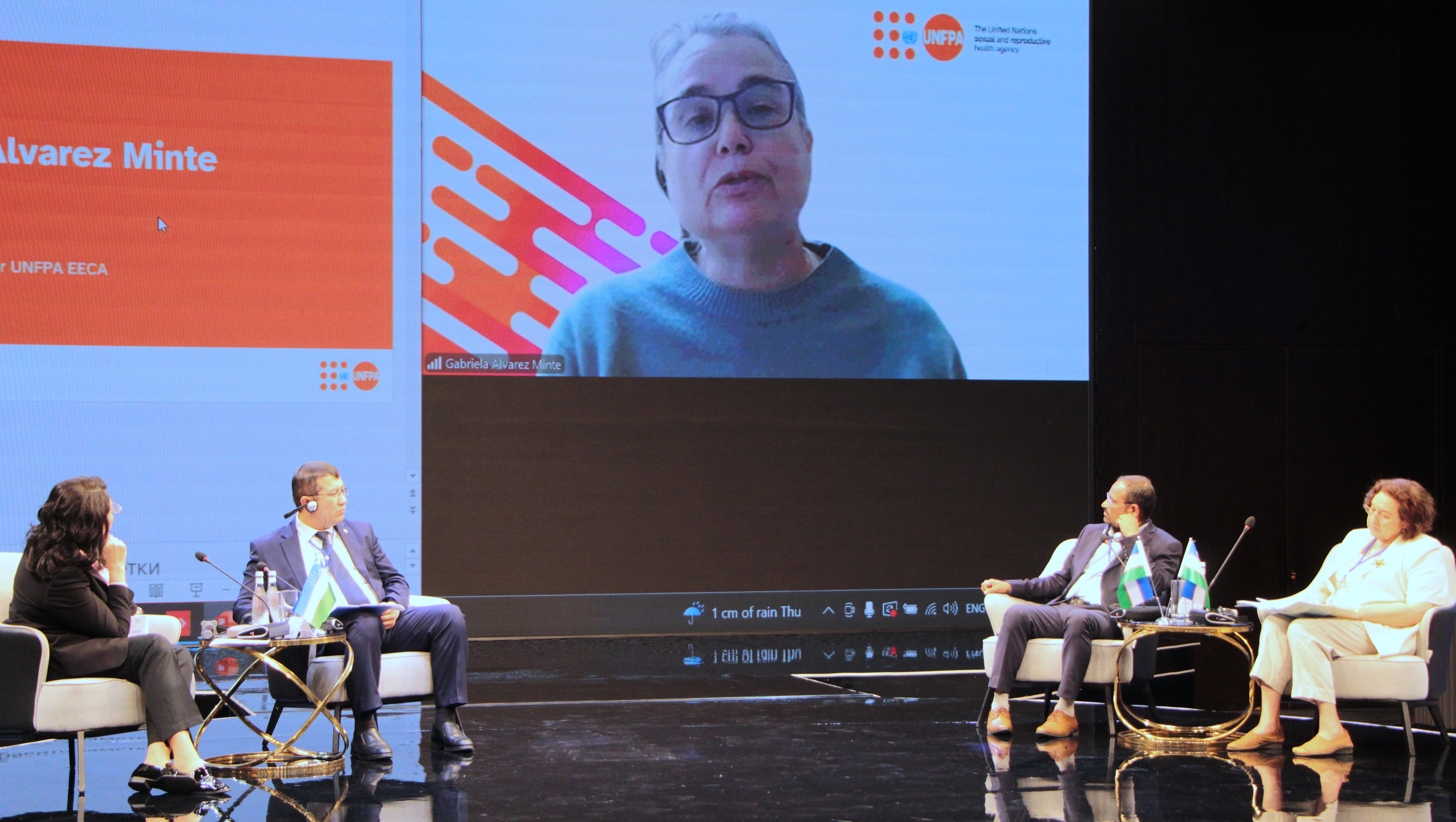
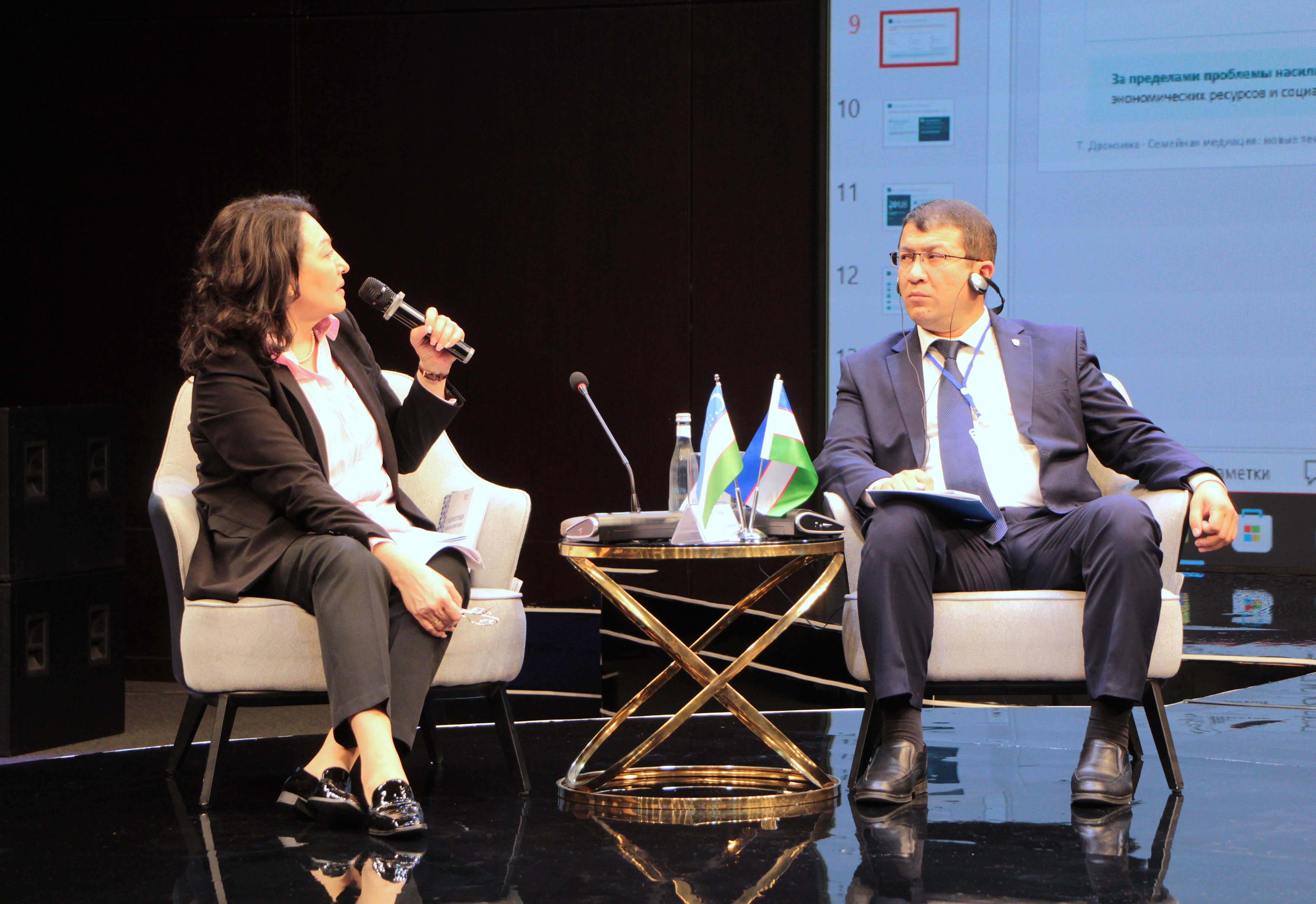
Within the framework of the conference, four major thematic sessions were organized. The first session was devoted to the topic “Legal and Institutional Foundations for the Sustainable Development of the Institution of the Family and the Formation of a Model of a Prosperous Family.” The session was moderated by Nigina Khayrullaevna Rakhimova, Director of the Republican Center for the Study of Public Opinion “Ijtimoiy Fikr” and Doctor of Economics.
During the session, participants discussed the role of the institution of the family in social stability, the transformation of family relations in the digital environment, the improvement of mechanisms for social protection and legal regulation, the promotion of gender equality, and innovative approaches to preserving family values.
In particular, Professor Muhammad Suhail, Doctor of Geographical Sciences at Aligarh Muslim University in India, delivered a report entitled “Digital Mahalla: Integrating the ‘Smart Family Model’ to Preserve Traditional Values among the Youth of Uzbekistan.” In his presentation, he focused on the preservation of traditional values among young people in the digital environment through the concept of a “smart family model.” Anna Jenderedjian, Gender and Social Protection Specialist at the FAO Regional Office for Europe and Central Asia and PhD, delivered a report on the role of rural women and girls in sustainable development. Tatiana Dronzina, Professor at Sofia University “St. Kliment Ohridski” in Bulgaria and Doctor of Political Sciences, presented a scientific analysis of the significance of digital technologies and integrative approaches in family mediation.
In addition, Leila Mariusovna Burkhanova, Professor at Tashkent State University of Law, delivered a report on modern trends in reforming the institution of the marriage contract in the Republic of Uzbekistan. Adkham Sa’dullaevich Odinaev, Deputy Head of the Law Enforcement Academy of the Republic of Uzbekistan, Doctor of Law and Professor, presented a report on the possibilities of using digital technologies in combating violence and crimes within the family.
The second session was devoted to strengthening family values in the context of globalization, as well as to approaches based on digital technologies and artificial intelligence in ensuring family well-being. During this session, scholars from Egypt, the United Kingdom, and Uzbekistan shared their views on new socio-psychological and spiritual challenges facing the institution of the family in the digital era.
The third session focused on ensuring demographic stability and strengthening reproductive health. International experts presented analytical reports on social protection of the population, gender equality, family well-being, and changes in the population structure. In particular, experts from Ghana, Belarus, and China discussed current issues related to the digital economy, demographic processes, and the transformation of the institution of the family.
During the fourth session, issues of ensuring gender equality in the family and mechanisms for supporting work-family balance were considered. Scholars from Türkiye, Uzbekistan, and other countries put forward scientific proposals and recommendations on communication culture in family relations, gender equality, and family-friendly policies.
It should be noted that this international conference was of great importance for integrating scientific and practical approaches aimed at strengthening the institution of the family, ensuring human dignity and social stability, supporting women, and forming a model of a prosperous family in modern society.
Sociological studies conducted by the Republican Center for the Study of Public Opinion “Ijtimoiy Fikr” also contribute to identifying priority areas for the development of the state and society through the comprehensive study of the family, gender relations, social protection, demographic processes, and the dynamics of public opinion in the country.