


07.06.2026
62
TOWARDS A NEW ENERGY ERA: UZBEKISTAN LAUNCHES A STRATEGIC PROJECT IN THE FIELD OF NUCLEAR ENERGY
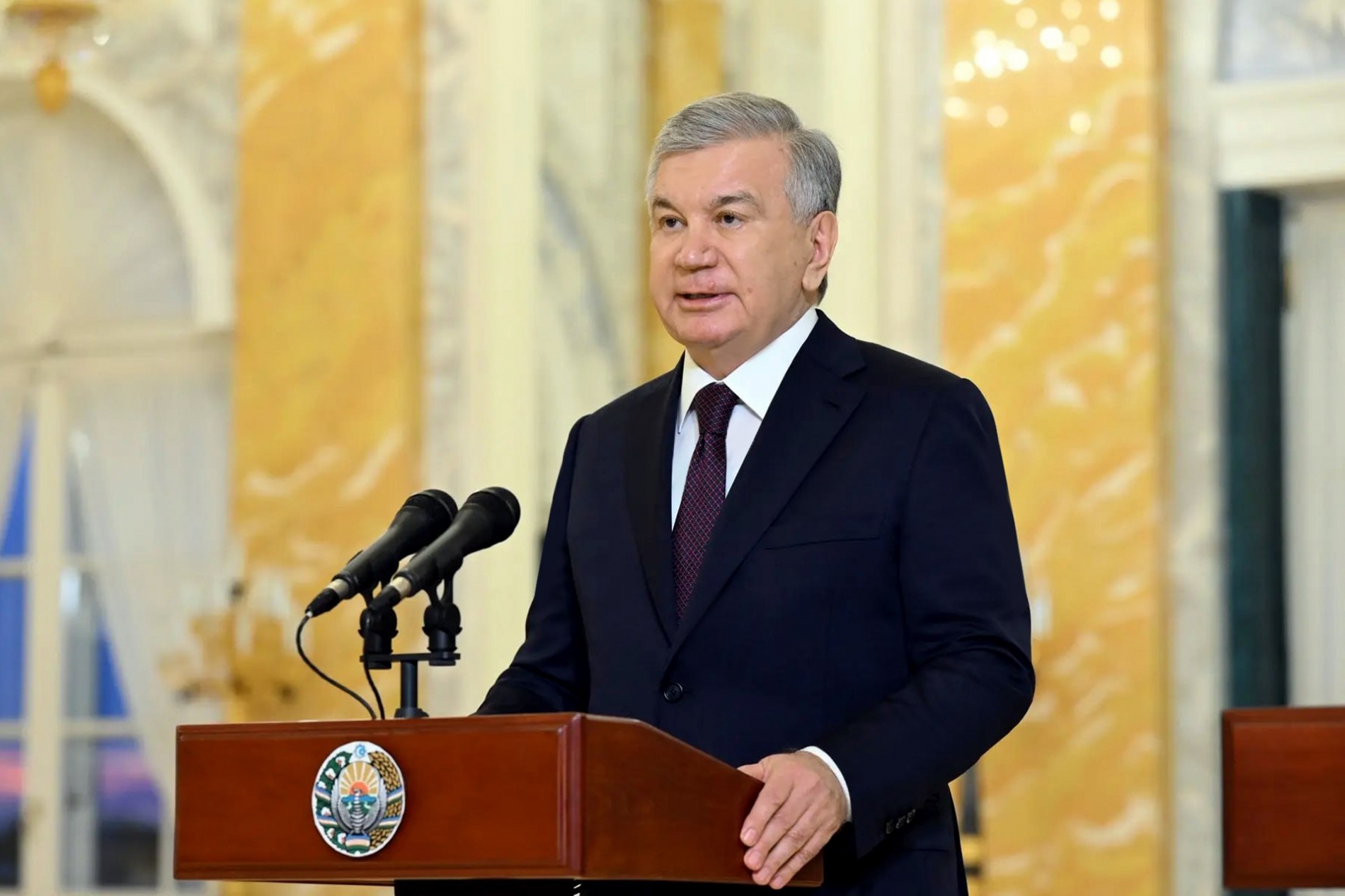
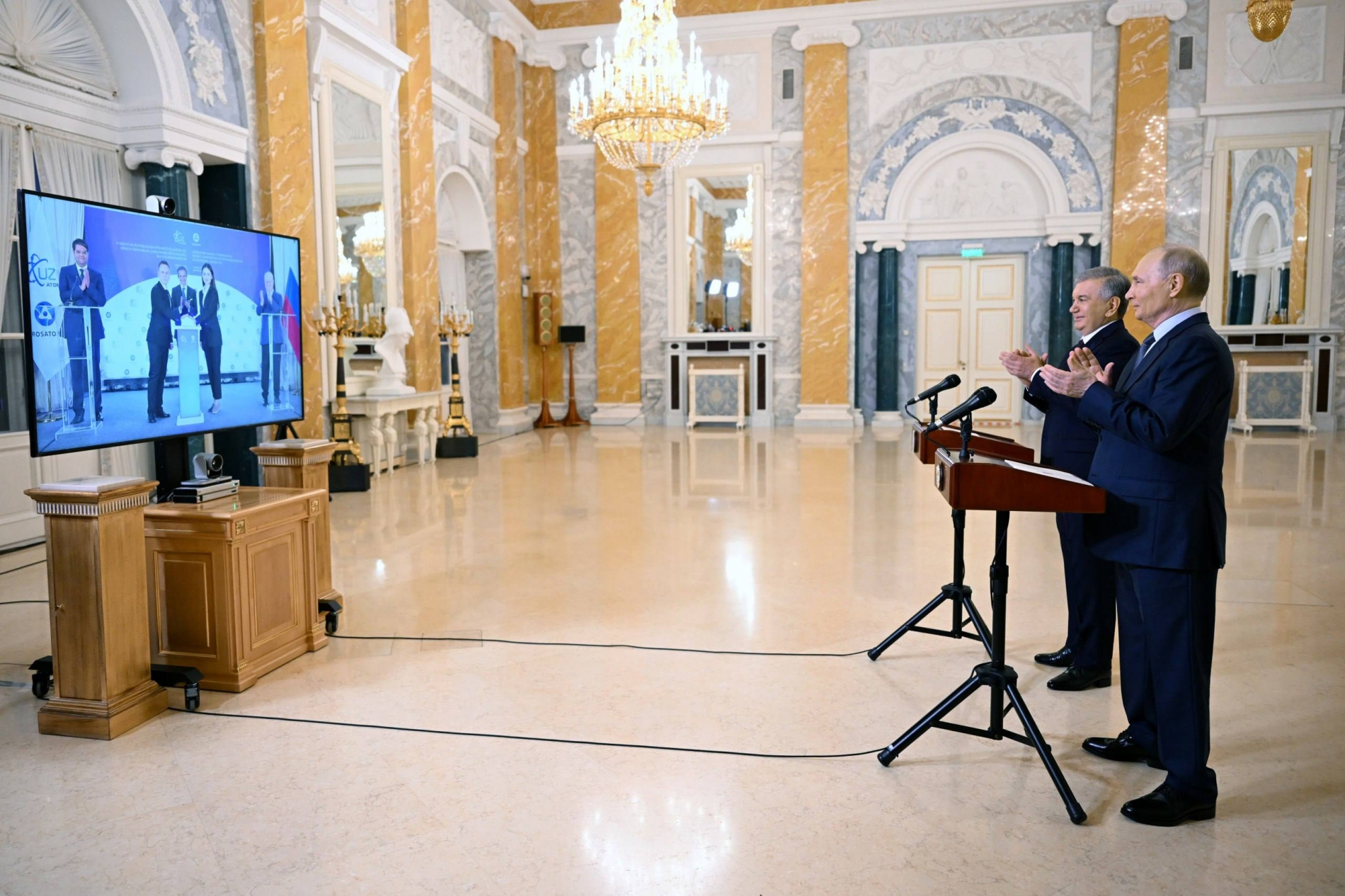
Another important step has been taken towards modernizing Uzbekistan’s energy system, meeting the growing needs of the economy, and ensuring long-term energy sustainability. With the participation of the President of the Republic of Uzbekistan Shavkat Mirziyoyev and the President of the Russian Federation Vladimir Putin, work on the construction of the first power unit of an integrated nuclear power plant in Uzbekistan was officially launched.
This event is of major significance not only for the energy sector, but also for the development of the national economy, industrial progress, technological modernization, and the enhancement of the country’s investment attractiveness. In recent years, large-scale economic reforms, growth in industrial production, accelerating urbanization, and measures aimed at improving the well-being of the population have increasingly driven demand for energy resources. Under these conditions, the development of stable, reliable, and environmentally acceptable energy sources has become one of the priority areas of public policy.
Today, nuclear energy is regarded in many developed countries as an important instrument for ensuring energy security. It offers the capacity to generate large volumes of electricity, long-term operational efficiency, and relatively low levels of harmful emissions into the atmosphere. In this context, the launch of construction of an integrated nuclear power plant in Uzbekistan represents another practical manifestation of the country’s consistent transition towards a sustainable development model based on modern technologies.
At present, energy security, climate change, and environmental sustainability have become some of the most pressing areas of public policy worldwide. Countries are seeking to ensure economic development while maintaining a balance between environmental protection and the rational use of natural resources. Uzbekistan is likewise implementing large-scale measures aimed at developing renewable energy sources, introducing energy-saving technologies, and building a modern energy infrastructure. The nuclear energy project is regarded as a logical continuation of these efforts.
This major project opens up new opportunities for training highly qualified engineering personnel, strengthening scientific and research capacity, creating new jobs, and facilitating the widespread introduction of modern technologies into the national economy. At the same time, it is expected to contribute to the development of regional infrastructure, attract investment, and expand local production and supply chains.
The Republican Center for the Study of Public Opinion “Ijtimoiy Fikr” regularly studies public opinion on the country’s strategic development priorities, reforms being implemented in the energy sector, environmental sustainability, the green economy, and innovative development. The sociological studies conducted by the Center analyze citizens’ attitudes towards economic and technological changes in the country, their views on projects being implemented in the energy sector, energy-saving practices and culture, as well as public perceptions of environmental safety.