


15.04.2026
174
TRANSFORMATION OF SOCIOLOGICAL KNOWLEDGE THROUGH PRACTICAL EXPERIENCE
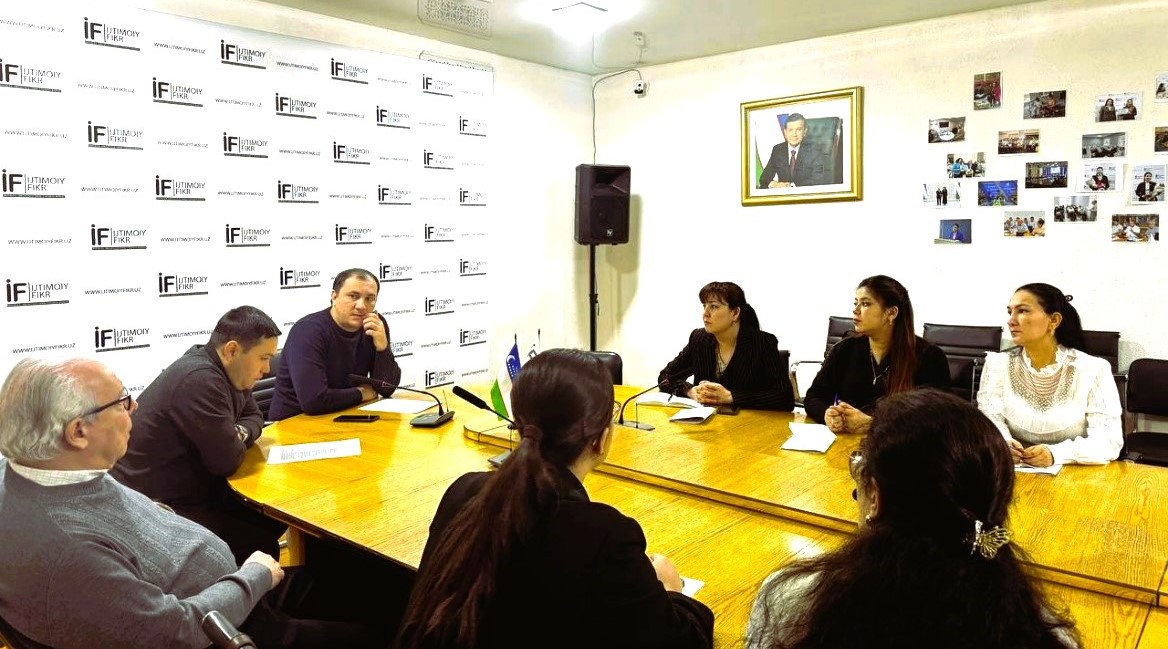
Since January 2026, I have been undergoing scientific practice at the Republican Center for the Study of Public Opinion “Ijtimoiy Fikr”. Initially, this practice was perceived as a process aimed at consolidating theoretical knowledge. However, from the very first days, this experience turned into an important platform that made it possible to observe how sociological knowledge is formed, tested, and reinterpreted in a real social context.
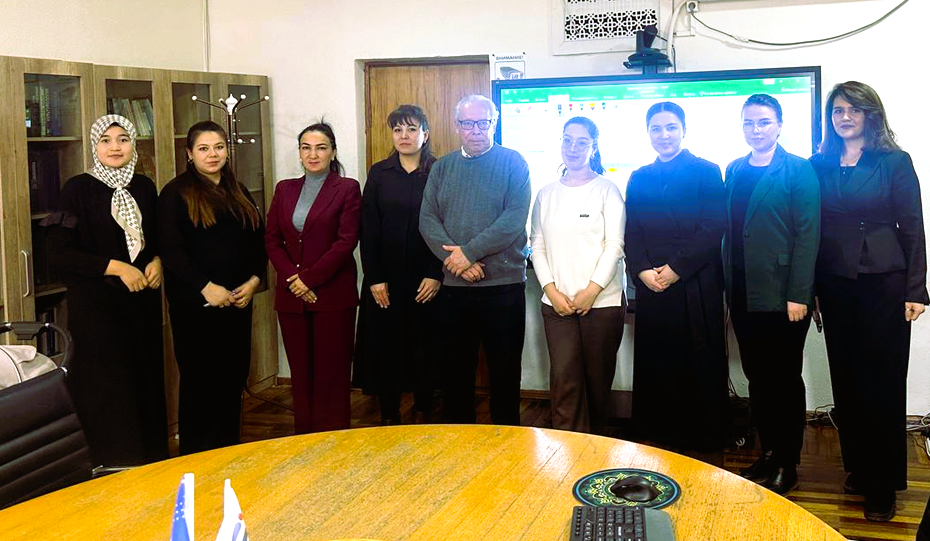
The first stage of the practice — familiarization with the activities of the Scientific and Analytical Department — served as a basis for the practical understanding of the conceptual foundations of sociological research. In particular, through practical experience, I studied how a research problem is formulated, how the goal of a study is determined, and where research begins. Practical sessions on revealing the content of a problem and analytically elaborating each question became especially meaningful during the work on a topic related to the activities of local government bodies. In addition, I acquired skills in developing a scientifically grounded questionnaire and its practical formation.
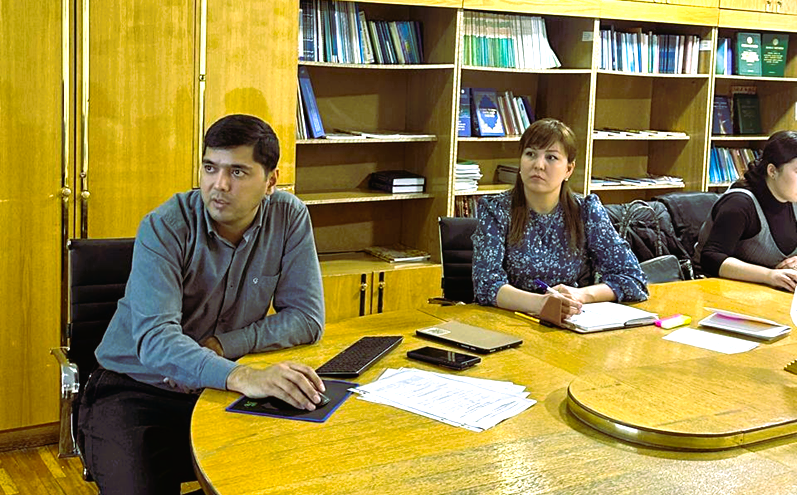
Furthermore, the practice allowed me to gain a deeper understanding of the methodological and organizational aspects of sociological research. During February, I worked in the Departments of Information and Mathematical Support and Organization of Applied Research, where I mastered such important statistical concepts as sampling, representativeness, and stratification through practical examples. In preparation for field research, I studied the specifics of interviewers’ work, the ethics of communication with respondents, as well as the principles of ensuring the accuracy and reliability of data. I also took part in organizational processes, including research preparation, distribution of interviewers across regions, planning the number of questionnaires, and preparing cost estimates.
In March, while working in the Information Technology Department, I became acquainted with the field of digital sociology and acquired skills in creating and programming questionnaires using modern online platforms such as Google Forms, SurveyMonkey, Qualtrics, and others. At the same time, data collection, processing, and analysis were carried out using Microsoft Excel and Power BI. I also reinforced my practical skills in data visualization through charts and diagrams, as well as in linking visualized data with analytical conclusions. In the Express Research Department, I became familiar with the process of conducting telephone surveys through a call center and studied methods of effective data collection within short timeframes.
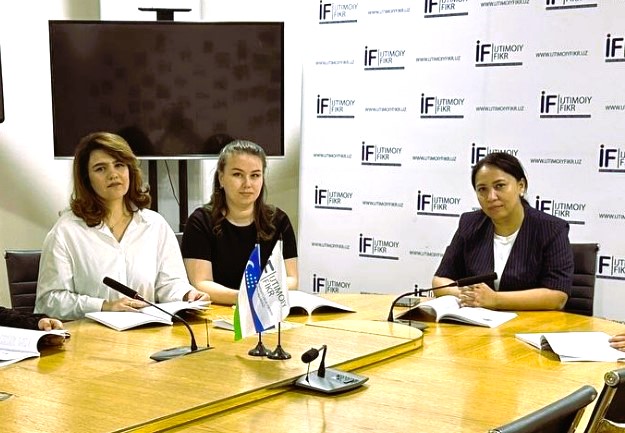
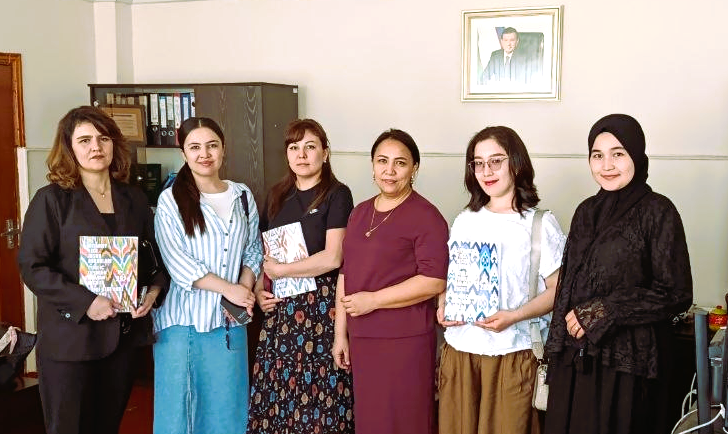
In April, practical sessions continued in the Press Service Department. I studied the activities of the press service, as well as the processes of preparing materials for publication. In particular, I became familiar with the principles of writing scientific and journalistic articles, and studied the activities of the press center and its publications. In addition, we learned about the activities of the scientific journal Ijtimoiy Fikr. Human Rights. During this stage of the practice, I analyzed theoretical and empirical scientific articles published in this journal, which is recognized by the Higher Attestation Commission, and written in accordance with the IMRAD structure: Introduction, Methods, Results, and Discussion.
The following practical sessions were devoted to the publication of materials in a scientific journal and to publishing processes. At this stage, I strengthened my skills in preparing texts for publication and editing them. As a result of the practical skills acquired, I wrote an article in a journalistic format analyzing the practice process, the knowledge and skills gained, as well as the differences between theoretical and practical knowledge. In addition, I was able to prepare and submit to the Center’s journal a scientific article based on my master’s thesis.
During this practice, by combining theoretical knowledge with practical activity, I significantly developed my skills in independent thinking, analysis, and work based on a scientific approach. Most importantly, I realized that a modern sociologist should not only be a researcher, but also a specialist who is proficient in technology, possesses analytical thinking, and is capable of comprehensively assessing the processes taking place in society.
Akhmadjonova Dilnoza Gayratilaevna
Second-year master’s student
Program: 703110401 — Sociology
National University of Uzbekistan
named after Mirzo Ulugbek