


19.02.2026
180
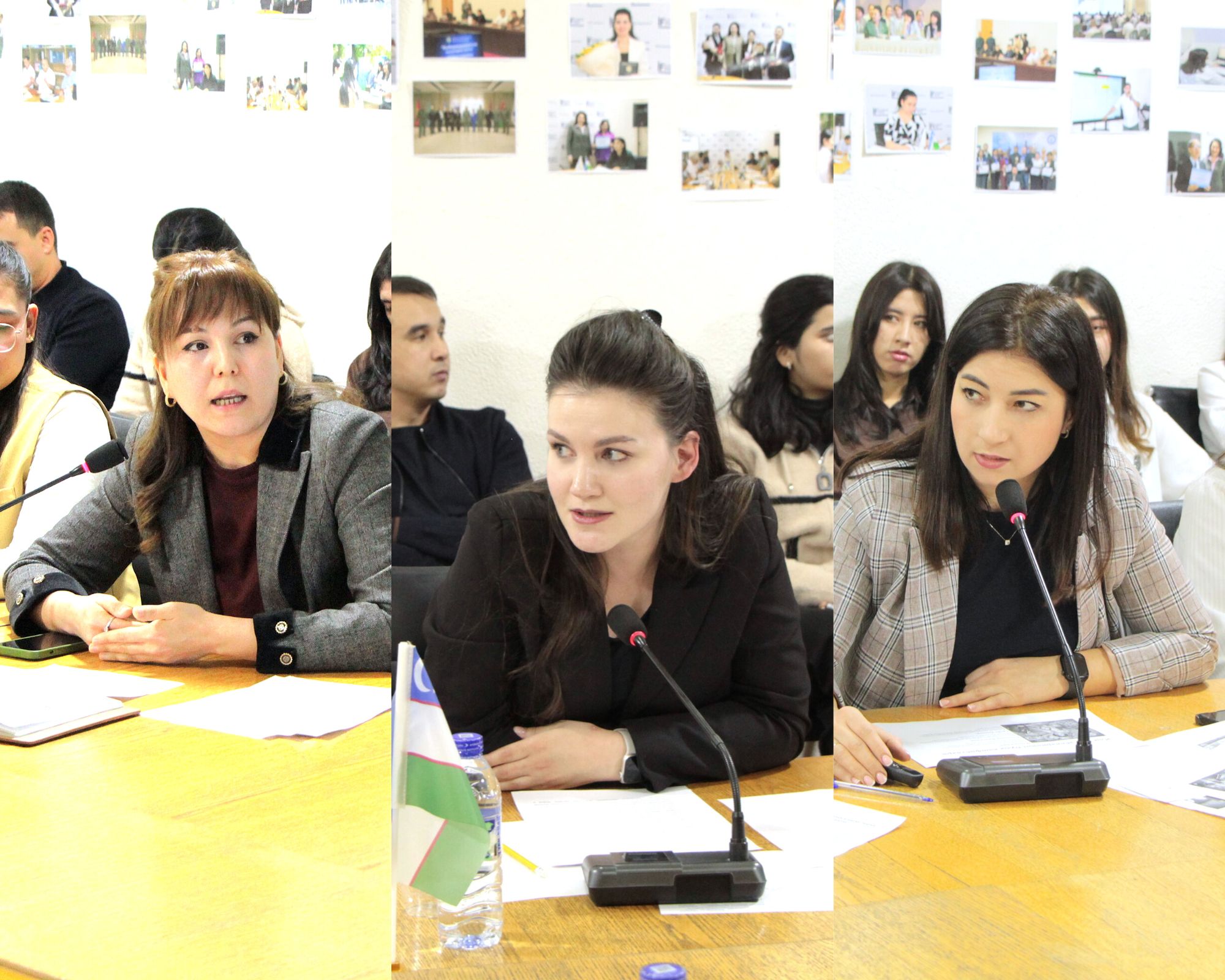
On February 11, a roundtable on “An Educated Woman — the Path to a Sustainable Society”, dedicated to the International Day of Women and Girls in Science, was held.
On February 12, 2026, the roundtable took place at the Republican Center for the Study of Public Opinion "Ijtimoiy Fikr". The event was organized in line with the state policy of Uzbekistan aimed at expanding educational opportunities for women, developing their scientific potential, and strengthening their role in societal development.
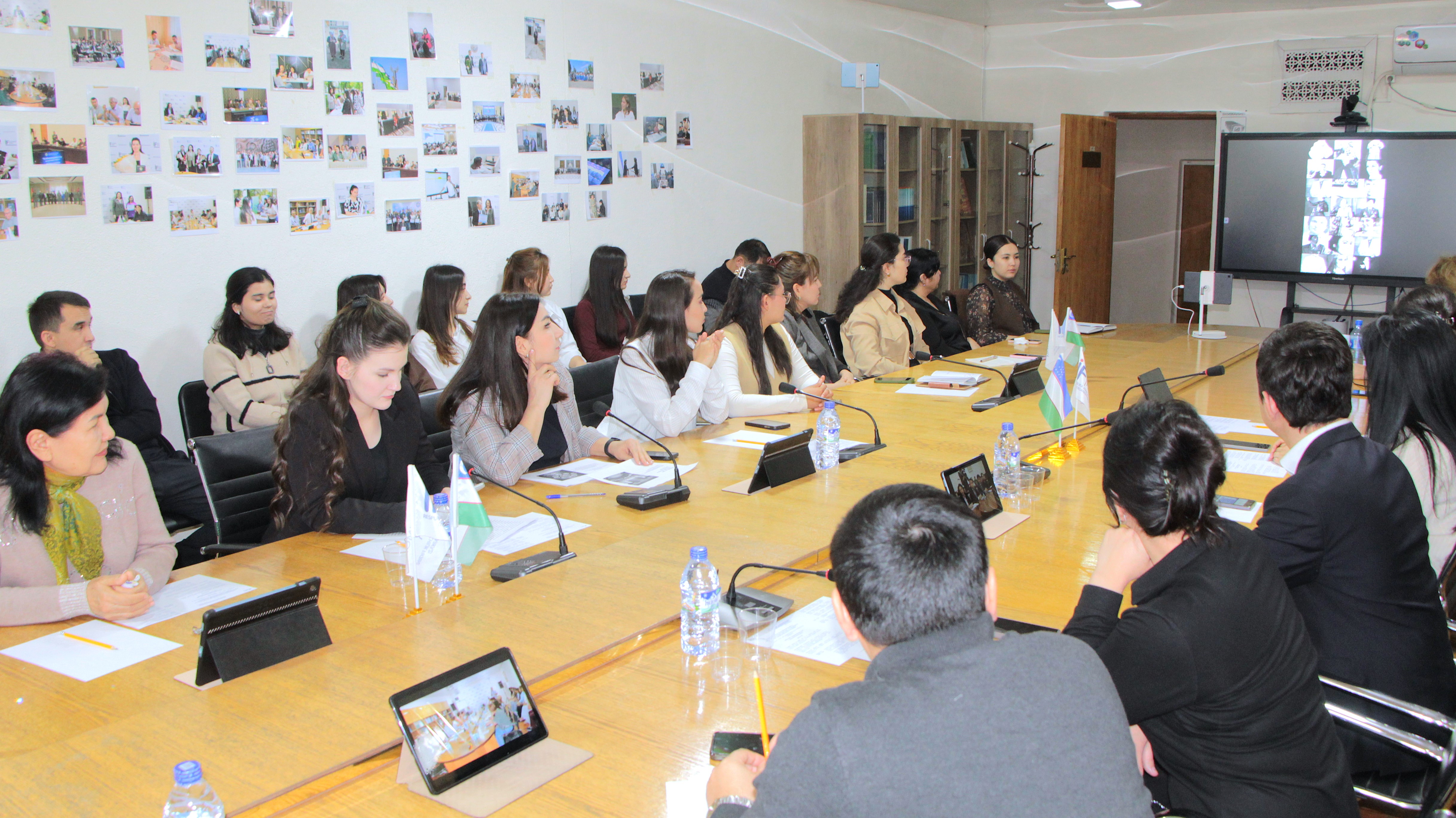
The conceptual direction of the roundtable was inspired by the words of the President of Uzbekistan: “The education of girls and their attainment of higher education serves the prosperity of the entire society.” This approach is closely connected with the large-scale reforms implemented in recent years. In particular, consistent measures are being carried out to expand educational opportunities for women, increase access to higher education, ensure gender equality in science and innovation, support women engaged in research, and strengthen institutional mechanisms for their professional development.
The event was held within the framework of the permanent scientific and practical seminar “Current Issues in the Study and Formation of Public Opinion in Uzbekistan: Methods, Theory, and Practice.” It was attended by the management and specialists of the Center, as well as faculty members and master’s students of National University of Uzbekistan. The roundtable was moderated by Sherzod Boboev, a specialist of the Center’s rapid research department.
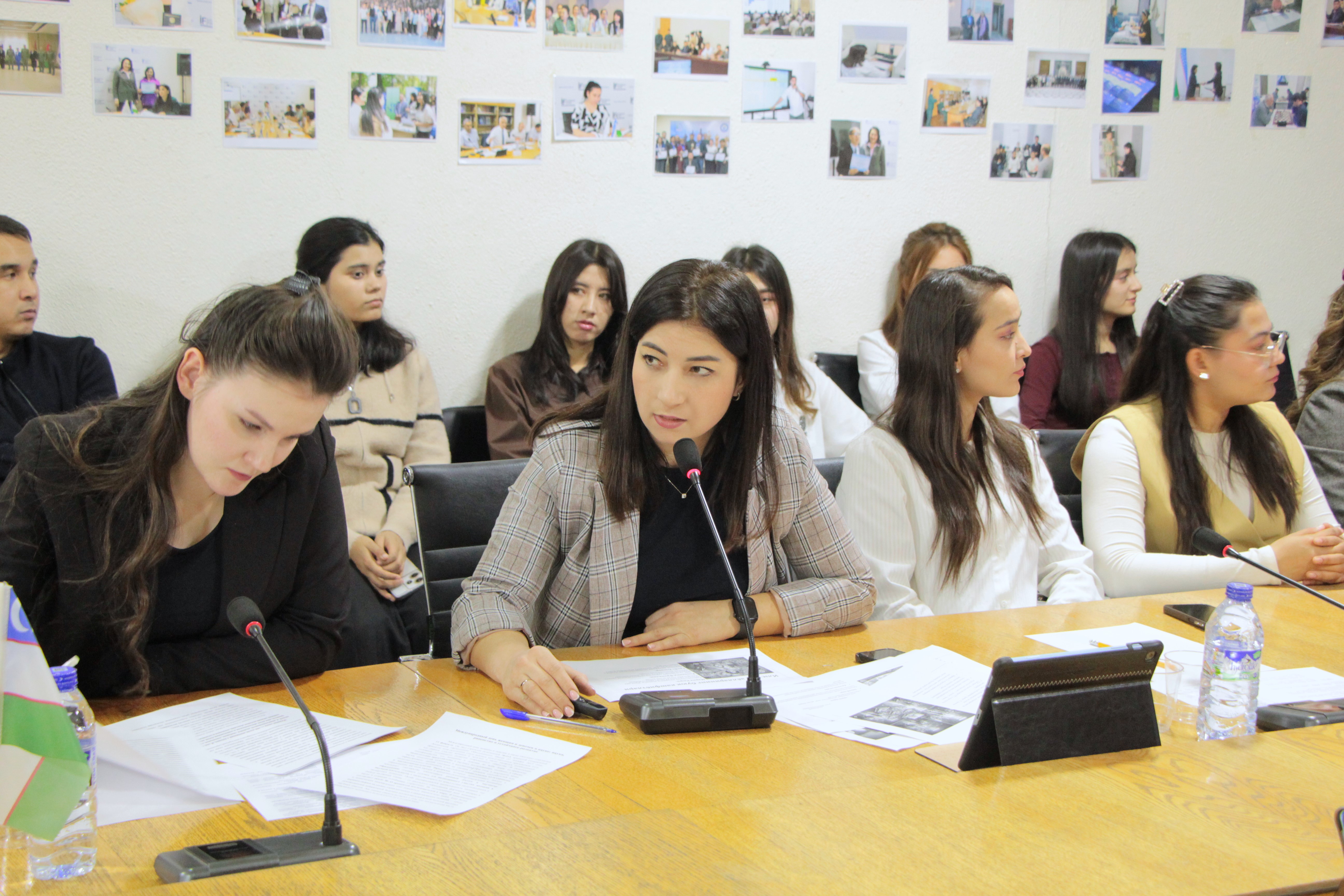
In the opening session, the First Deputy Director of the Center, Doctor of Sociological Sciences (DSc) V.S. Alekseeva, delivered remarks highlighting the strategic role of women in science, the importance of gender equality for social development, factors encouraging girls to pursue research careers, and the decisive role of knowledge and competencies in modern society. It was emphasized that an educated and scientifically trained woman is a key factor in improving the quality of human capital, stimulating innovative development, strengthening the family institution, and raising social culture.
As part of the event, a video presentation titled “Women Famous Around the World” was shown, inspiring participants with historical and contemporary examples of women’s contributions to science, education, and social progress.
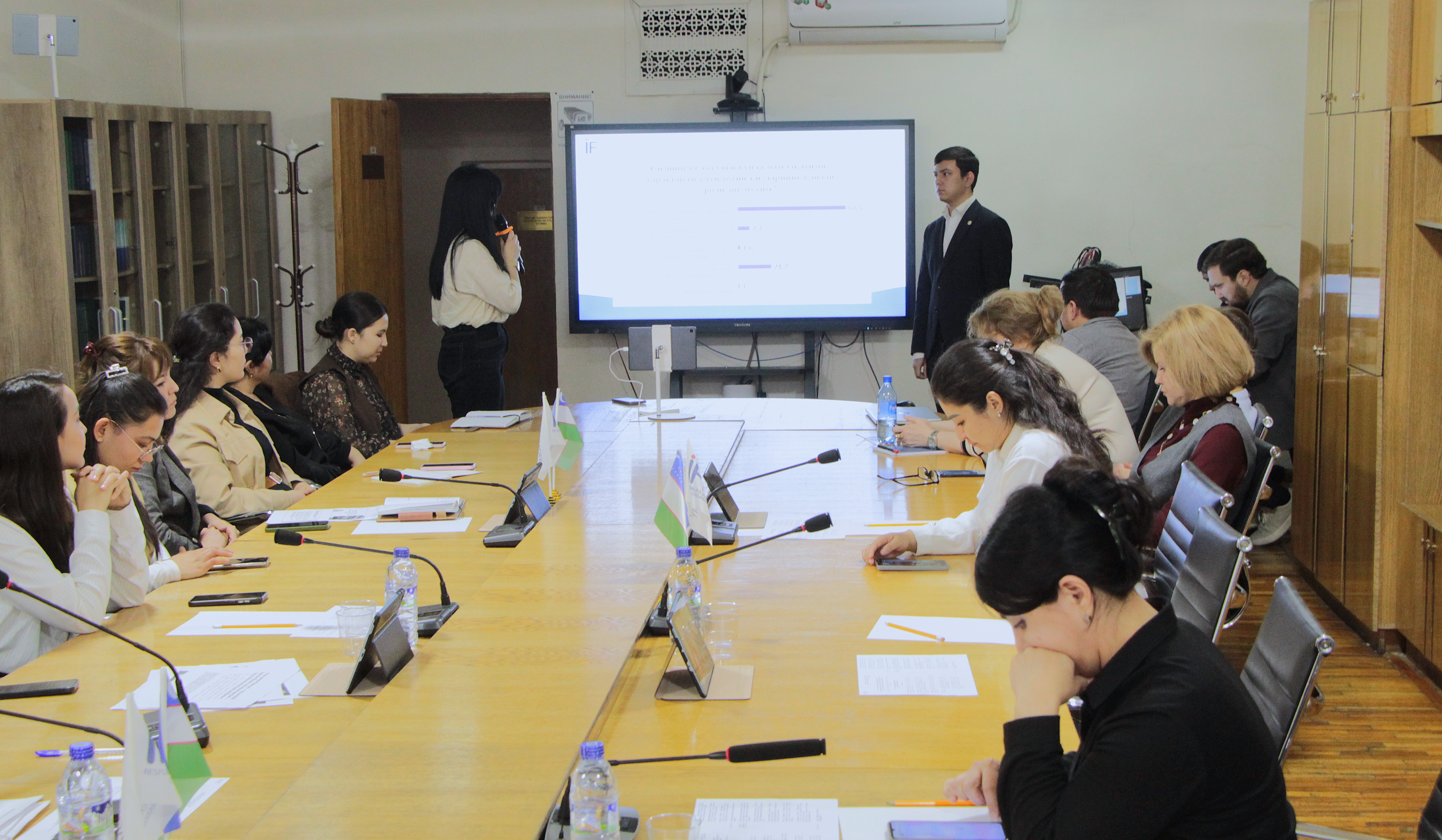
The following speakers also delivered presentations: Head of the Center’s Field Research Organization Department U.M. Khalikova, who spoke on “International Day of Women and Girls in Science,” discussing the essence of the observance and trends in women’s participation in science; S.S. Imamov and Sh.J. Muminova, who presented “Citizens on the Role of Women and Gender Equality in Uzbekistan” (based on sociological research findings), highlighting scientifically grounded insights into women’s social roles, gender relations, and public attitudes. D.G. Ahmadjonova, a second-year master’s student in Sociology at the National University of Uzbekistan, presented “Women and the Law: Support Systems in Recent Years,” providing an analytical overview of legislative guarantees of women’s rights.
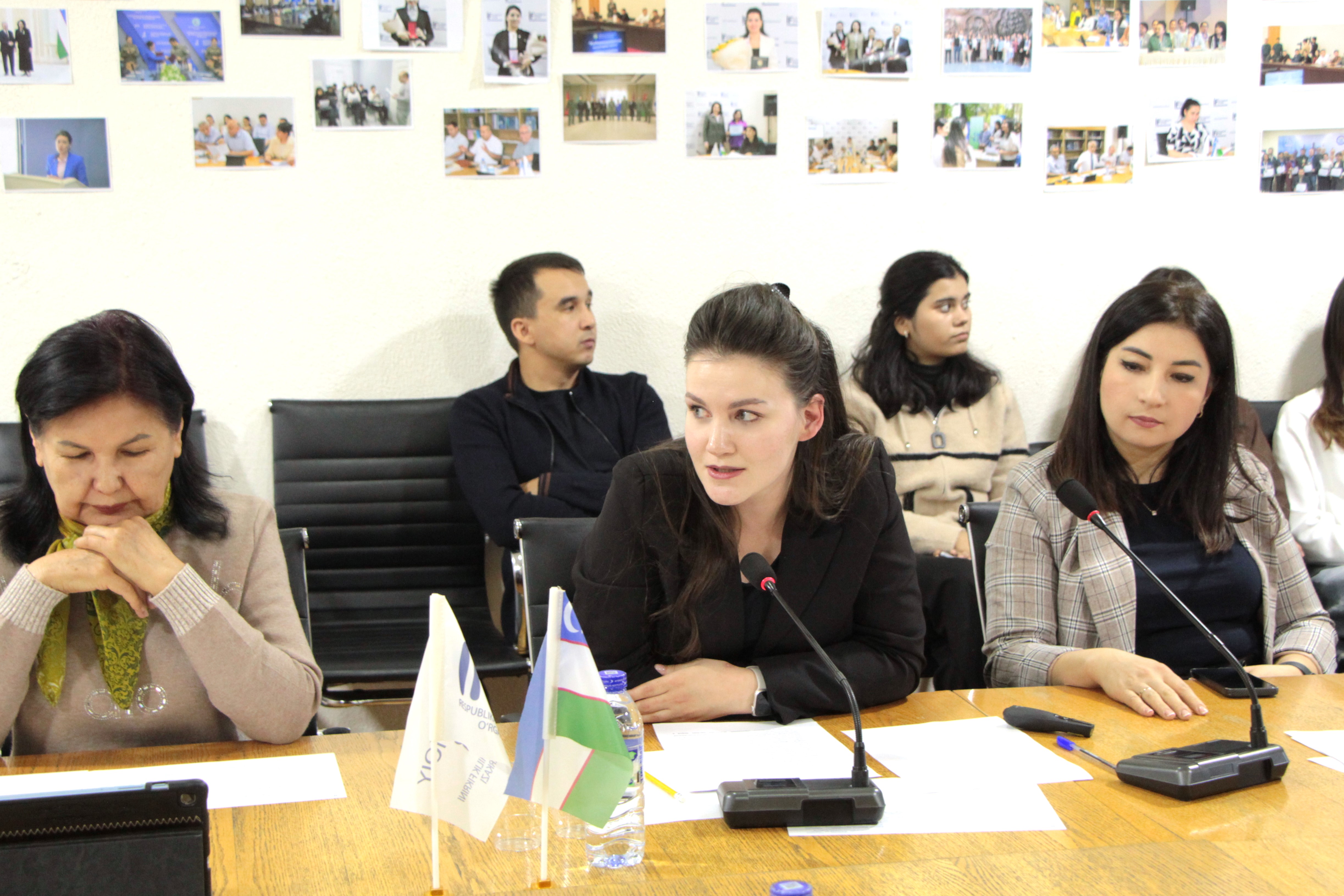
According to experts, the model of an educated woman is directly linked to societal stability and development. Women with higher education actively participate in the labor market, demonstrate responsibility in social decision-making processes, and determine the quality of education and upbringing of future generations.
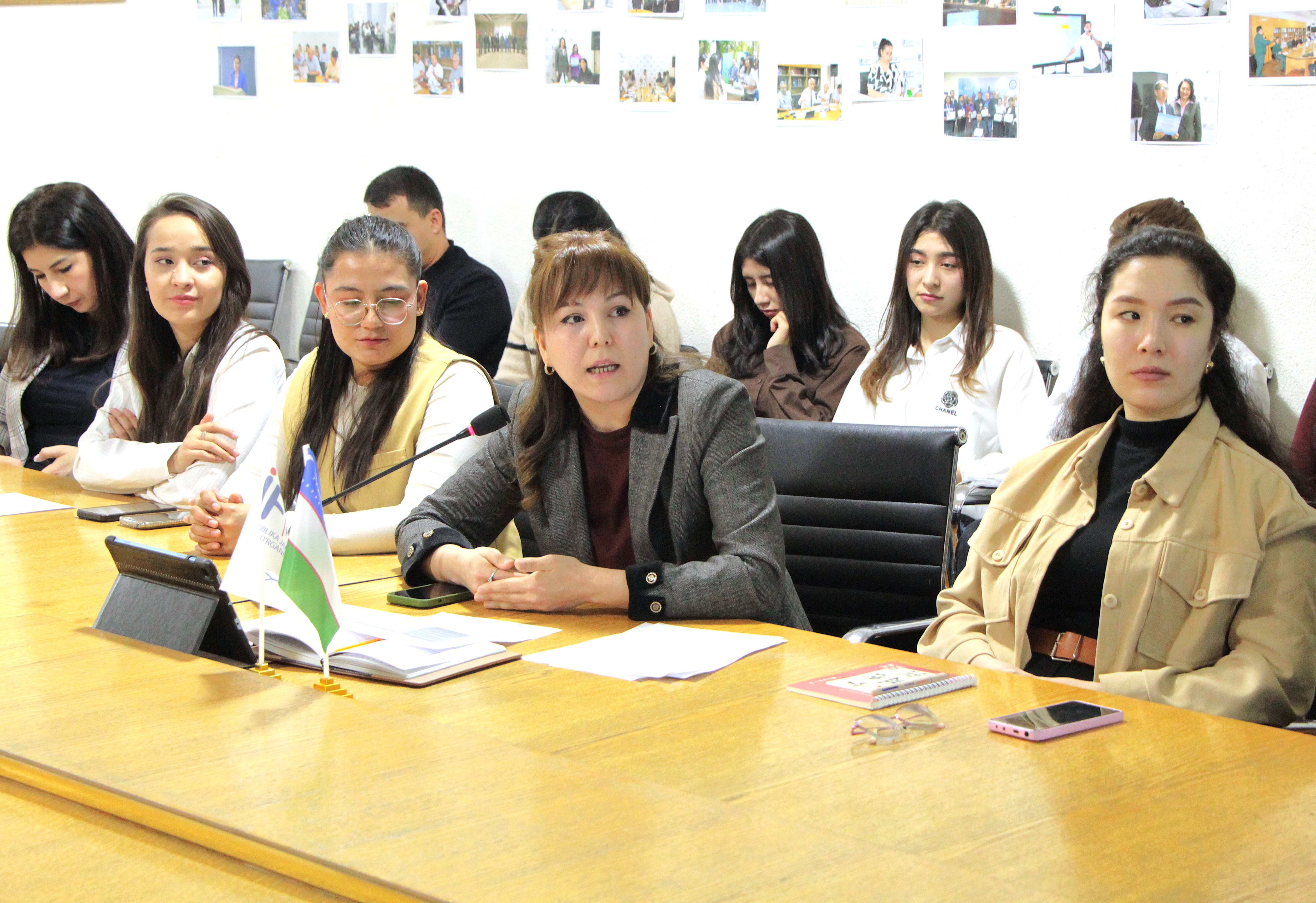
At the conclusion of the roundtable, participants exchanged views and proposed practical recommendations to strengthen support for women in the scientific community, expand girls’ involvement in research and innovation, promote a culture of gender equality, and enhance the scientific study of public opinion.
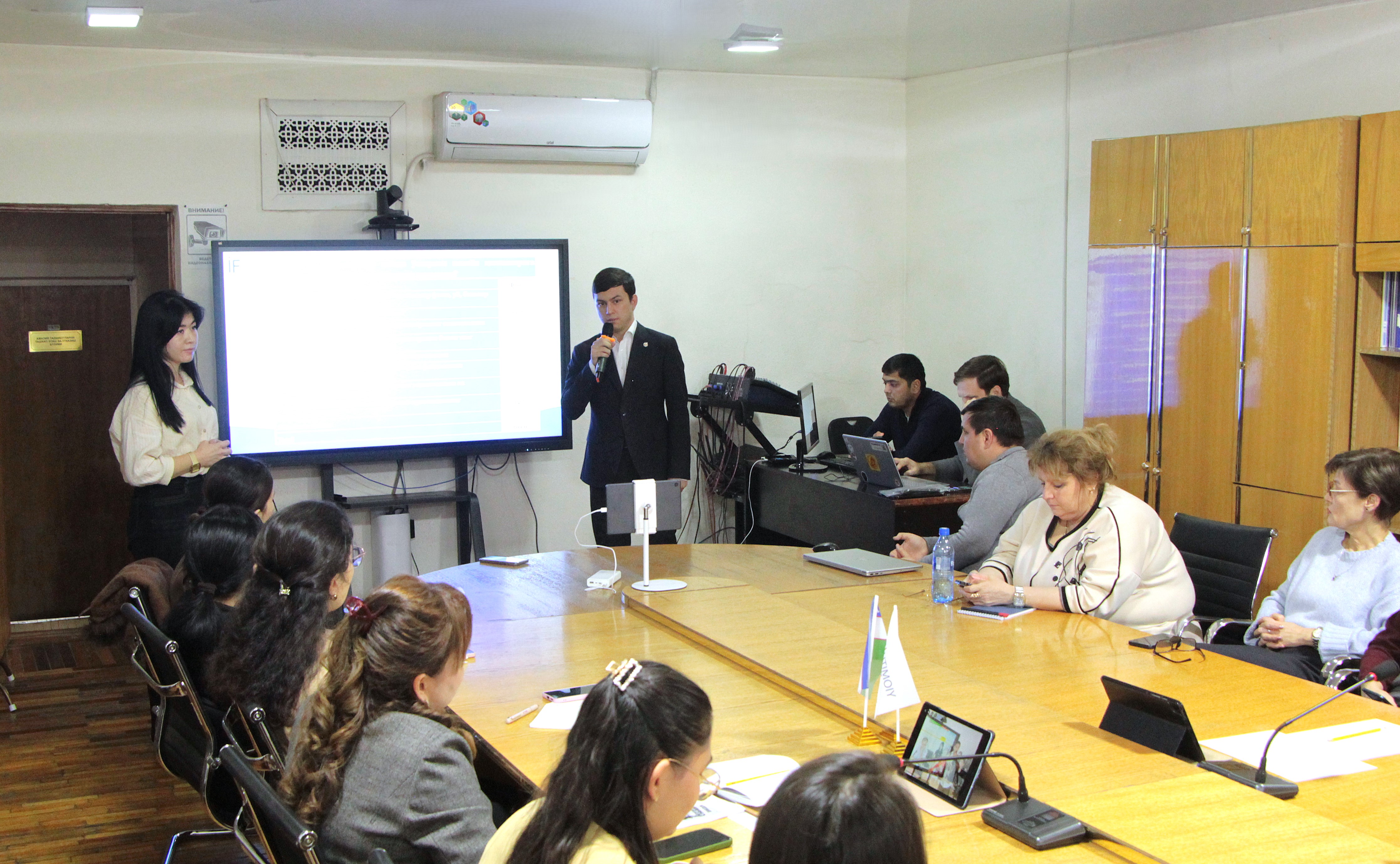
The roundtable “An Educated Woman — the Path to a Sustainable Society” once again demonstrated the interconnection of science, education, and gender policy, serving as an important platform for developing women’s intellectual potential, encouraging their scientific activity, and increasing the value of knowledge in society.