


24.01.2026
137
Mahalla — A Key Platform for Dialogue Between the State and Society
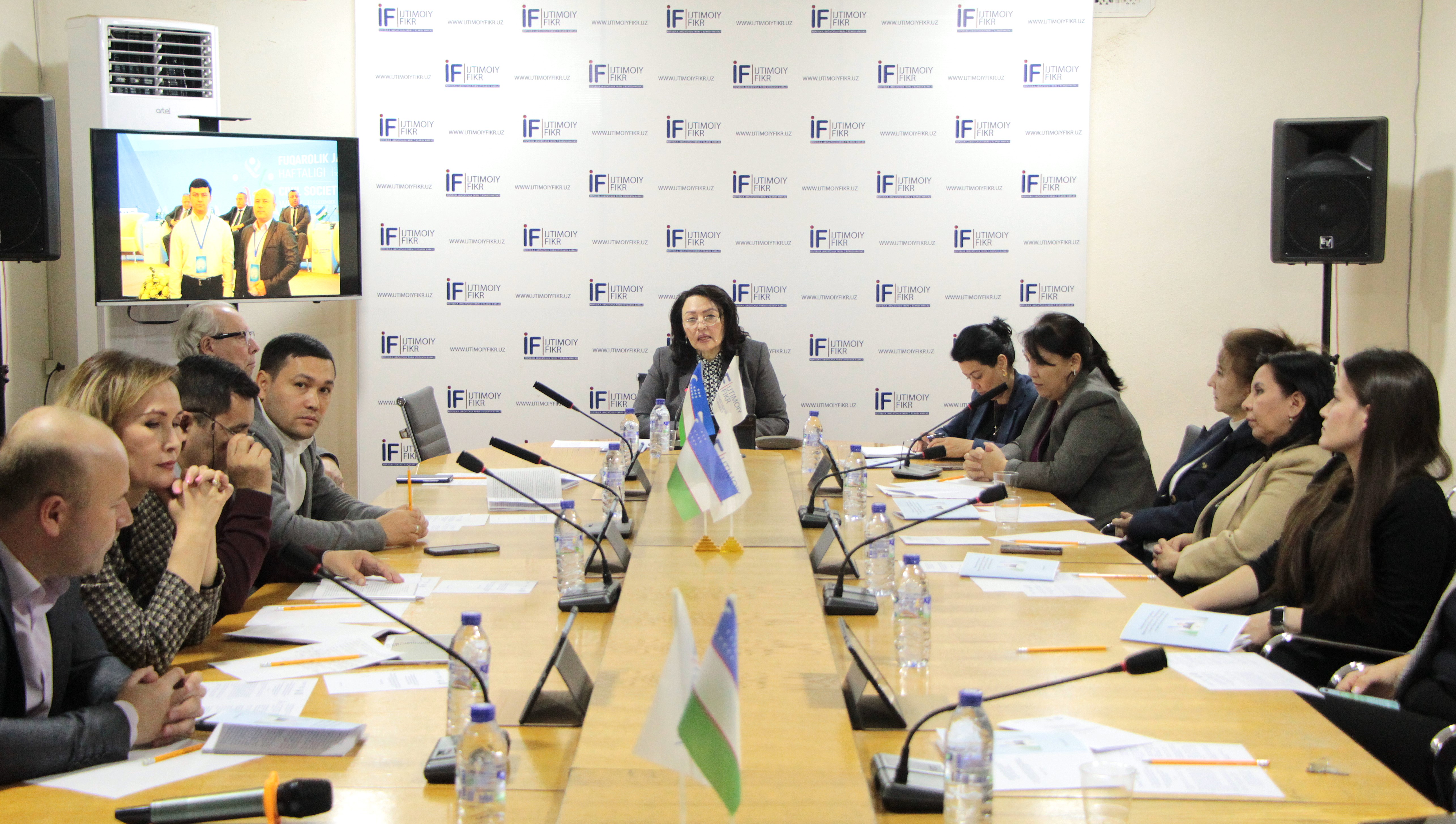
On January 23, 2026, a roundtable discussion titled “The Role of the Mahalla within the Framework of the Presidential Address: Public Opinion and Local Practice” was held at the Republican Center for the Study of Public Opinion “Ijtimoiy Fikr.” The event was organized within the framework of the permanent scientific and practical seminar “Current Issues in the Study and Formation of Public Opinion in Uzbekistan: Methods, Theory and Practice.”
The roundtable was dedicated to the role of the mahalla institution in contemporary reform processes, its capacity to ensure a trust-based dialogue between the state and society, and its significance in studying public sentiment and social expectations. The discussions focused on the understanding that the mahalla is not only an administrative structure but also a key institution that ensures social stability and public solidarity.
It was emphasized that the priorities outlined in the Presidential Address — openness, social justice, protection of citizens’ interests, and support for civil society institutions — are being practically implemented through the activities of the mahalla system. From this perspective, the event included both scientific and practical analysis of mechanisms for studying public opinion through mahallas, the early identification of social problems, and the development of targeted solutions.
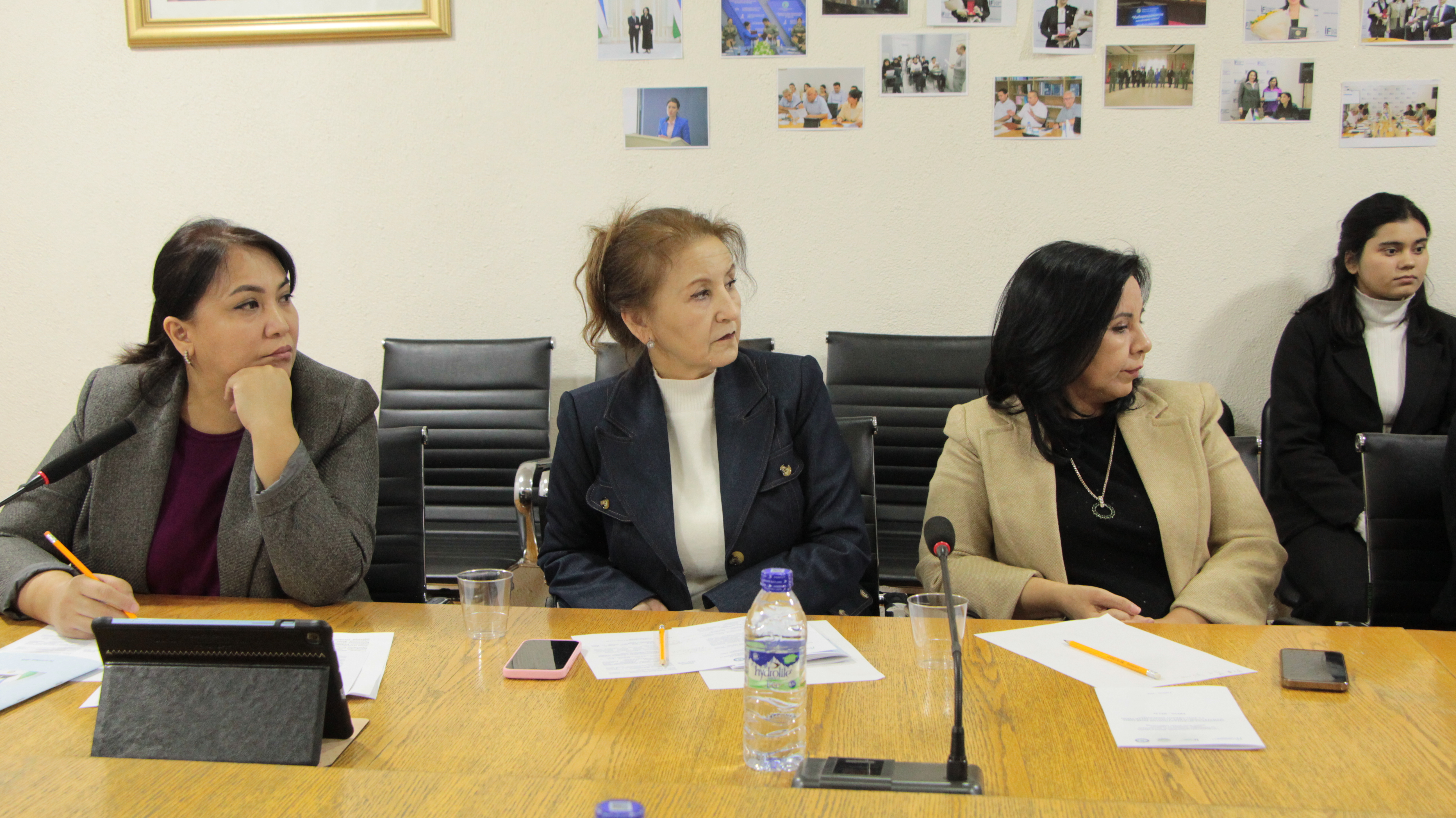
The event was attended by representatives of the relevant committee of the Legislative Chamber of the Oliy Majlis, the Public Fund under the Oliy Majlis, the Mahalla Association of Uzbekistan, the National Association of Non-Governmental Non-Profit Organizations, higher education institutions, mass media representatives, as well as specialists from the “Ijtimoiy Fikr” Center. This ensured that the discussions were conducted in a comprehensive and practice-oriented format.
The roundtable opened with introductory remarks by the Deputy Chairman of the Mahalla Association of Uzbekistan, Dolle Khakimovich Allaev, and the Director of the “Ijtimoiy Fikr” Center, Nigina Khayrullaevna Rakhimova. In their speeches, they paid particular attention to the importance of the mahalla institution in modern society, ongoing reforms within the mahalla system, the necessity of making governance decisions based on public opinion, and the practical value of sociological research.
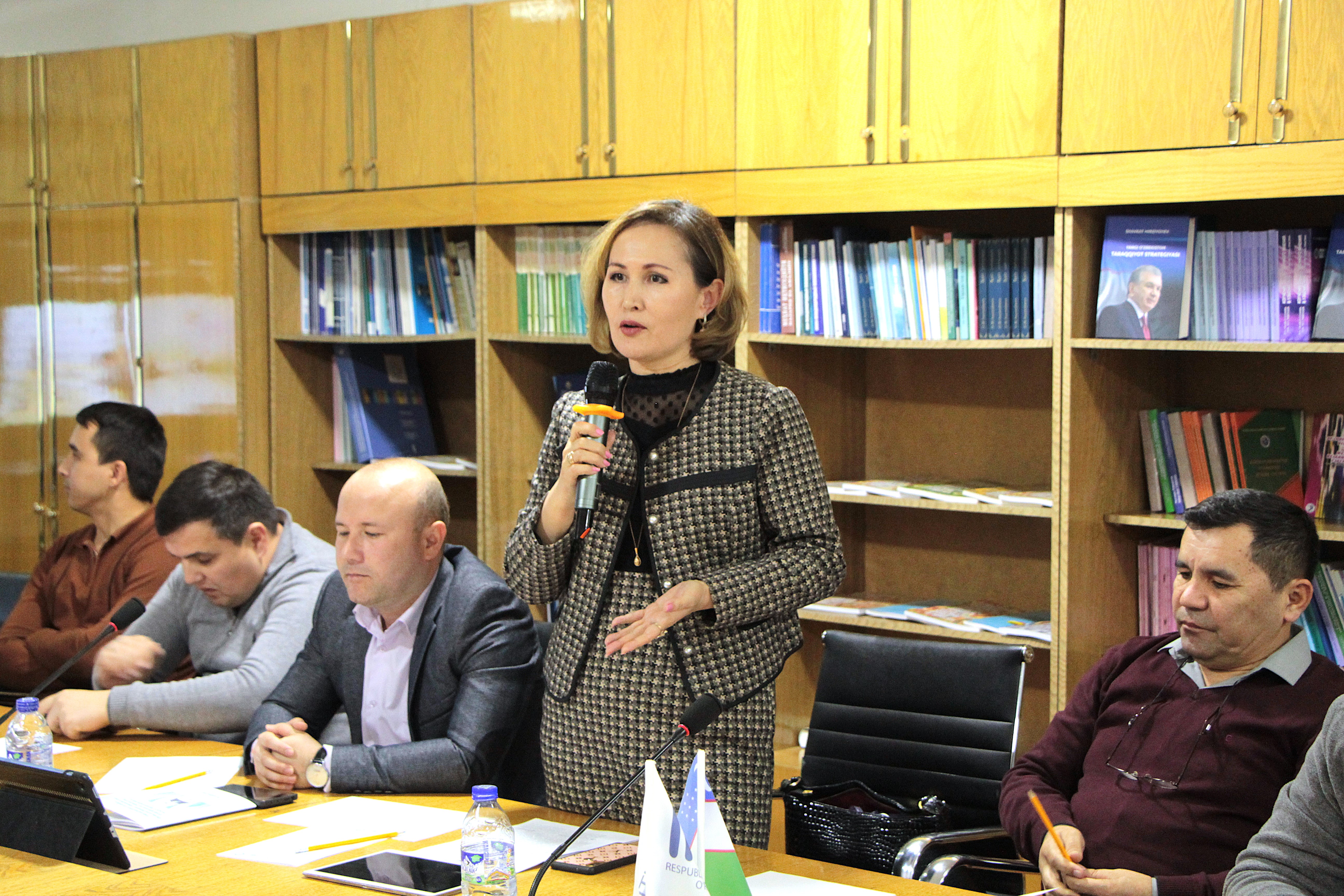
During the main session, the Deputy Director of the “Ijtimoiy Fikr” Center for Scientific Affairs, Mansur Sherikbaevich Seitov, presented the results of a sociological study conducted within the framework of the Presidential Address. The presentation highlighted data on public attitudes toward mahalla activities, citizens’ expectations, and the extent to which local issues are being addressed, supported by specific figures and analytical conclusions.
In addition, the Head of the Scientific and Analytical Department of the Center, Azizbek Bakhodirovich Tadjibaev, presented the results of a study on citizens’ perceptions of mahalla activities. Important conclusions were presented regarding the use of mahalla services, the quality of handling citizens’ appeals, the level of openness, and citizens’ participation in decision-making processes.
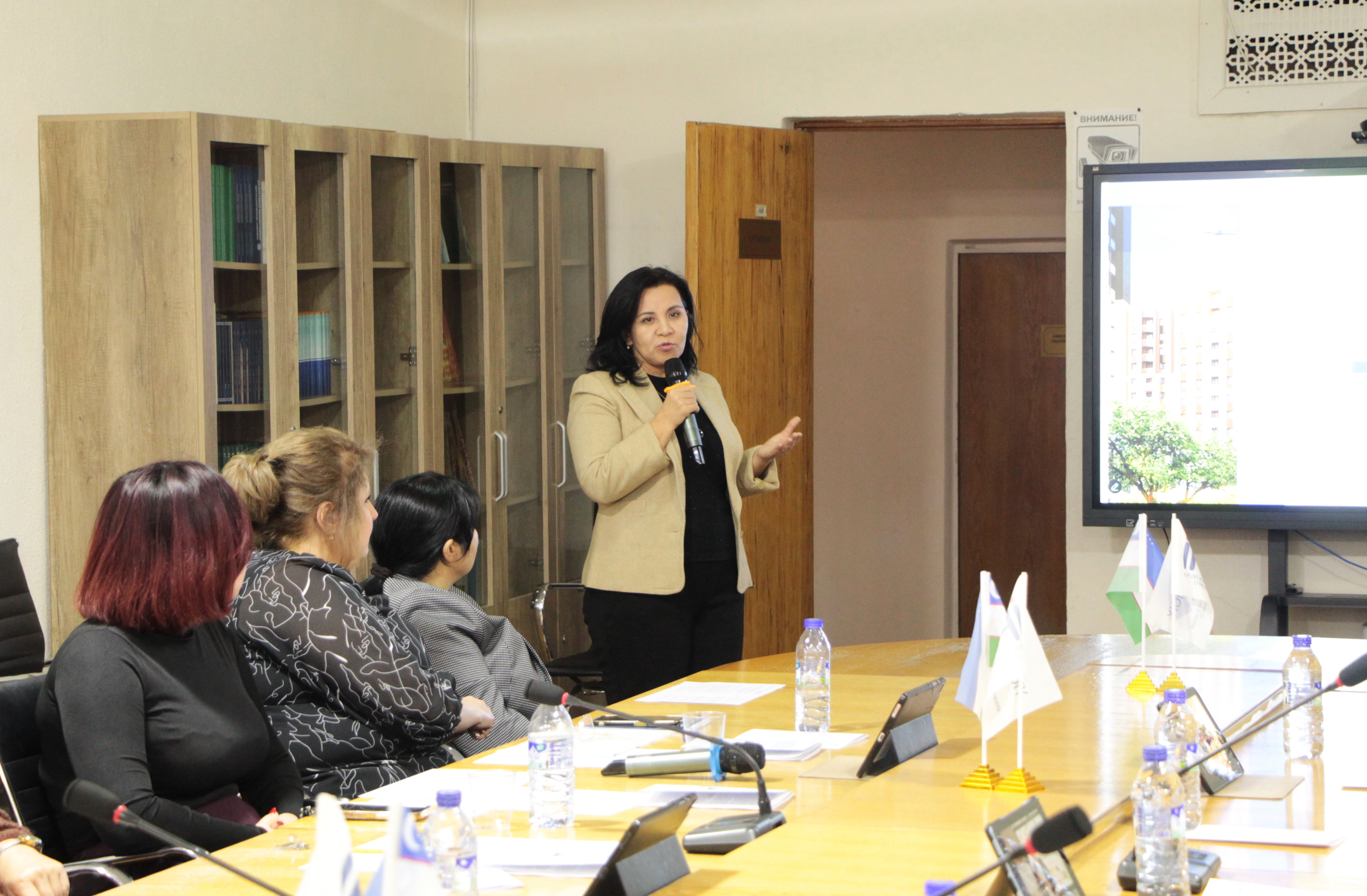
One of the presentations that added practical depth to the event was delivered by the Center’s interviewer, Dilmira Tuychievna Kuanishova. Based on face-to-face interviews conducted in the field, she shared observations on public sentiment, challenges in communication with mahallas, and factors influencing public trust.
At the conclusion of the discussions, participants emphasized the need for broader application of sociological indicators — including levels of public satisfaction, trust, and the quality of handling citizens’ appeals — in assessing mahalla performance. Proposals were also put forward to introduce training programs for mahalla staff in communication culture and social psychology, as well as to strengthen cooperation between mahallas and the mass media.
The roundtable was recognized as an important scientific and practical platform aimed at further expanding the capabilities of the mahalla institution, promoting the scientific study of public opinion, and ensuring its effective application in public policy.