


23.01.2026
117
Davos-2026: Uzbekistan in the Peace Council — An Analysis of Its Impact on Public Consciousness and National Identity
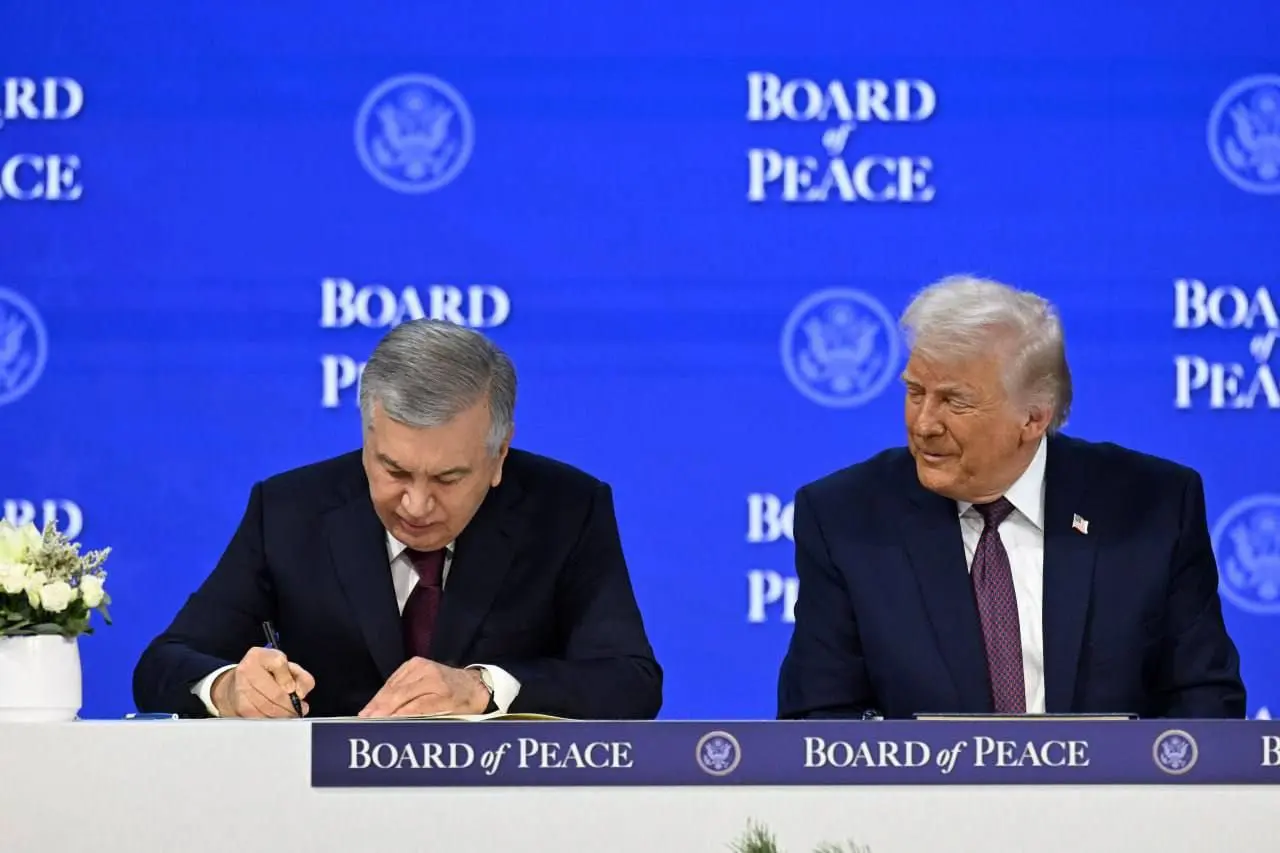
On January 22, 2026, in Davos, Switzerland, the President of the Republic of Uzbekistan, Shavkat Mirziyoyev, signed the Charter of the Peace Council, established to implement the Comprehensive Plan for ending the conflict in the Gaza Strip, supported by a resolution of the United Nations Security Council. The ceremony was held under the chairmanship of the President of the United States, Donald Trump, and was attended by heads of state and foreign ministers from Azerbaijan, Armenia, Argentina, Bahrain, Bulgaria, Hungary, Indonesia, Jordan, Kazakhstan, Qatar, Morocco, Saudi Arabia, Türkiye, and a number of other countries. This event deserves close attention not only from the perspective of international diplomacy, but also in terms of its influence on public consciousness and citizens’ national self-perception.
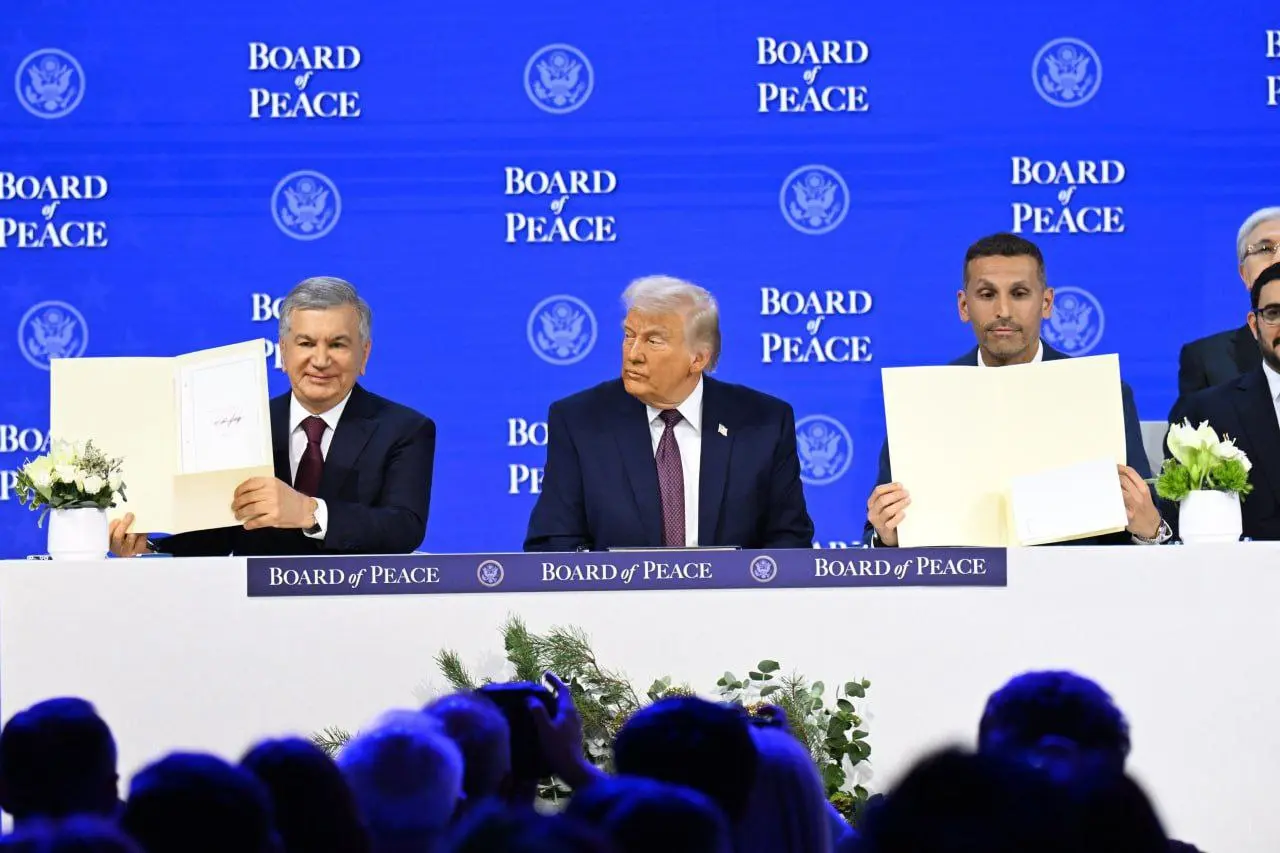
Uzbekistan’s active participation in the signing ceremony of the Peace Council Charter marked a genuine breakthrough in the country’s diplomacy. President Shavkat Mirziyoyev not only changed the vector of foreign policy but also reshaped the perception of Uzbekistan in the eyes of the international community. Uzbekistan has become a recognized partner in dialogue — a state whose opinion is taken into account when discussing key issues on the global agenda.
The normalization of relations with neighboring countries in the region has been successfully achieved. Contacts with leading world powers have intensified, which is particularly valuable in the current context of polarized international relations. Participation in regional and global initiatives, as well as the advancement of Uzbekistan’s own proposals for conflict resolution and the development of multilateral cooperation, reflects a unified, consistent, and strategically well-considered policy. Uzbekistan has become a country trusted by different sides — capable of acting as a mediator and finding common ground where others see irreconcilable contradictions.
The signing of the Peace Council Charter represents international recognition of the role Uzbekistan can play in conflict resolution, in building a system of collective security, and in shaping a more just and stable world order.
Public opinion studies conducted by the Republican Center for the Study of Public Opinion “Ijtimoiy Fikr” indicate growing public support for the foreign policy course of the President, the strengthening of Uzbekistan’s international image, and increasing public confidence in the future. These findings reflect deeper processes taking place within public consciousness. When the President of one’s country signs a founding document of an international organization alongside global leaders — when the country becomes one of the architects of a new system of global governance and its voice is heard in decisions concerning war and peace — this forms a distinct collective worldview. It contributes to strengthening national dignity and fosters a sense of pride among citizens for their country, its achievements, and its place in the world.
Comprehensive surveys reveal trends indicating further consolidation of social stability, growth of national self-awareness, and increased public support for international integration and societal cohesion around shared values and goals.
Uzbekistan’s participation in establishing the Peace Council and the signing of the Charter in Davos represent a milestone in the country’s history — in shaping a new national consciousness and positioning Uzbekistan on the global stage. Survey data convincingly demonstrate that this event has resonated strongly within society. Citizens of Uzbekistan express pride in their country, trust in their President, and confidence in the future.
Survey findings suggest that the country’s foreign policy course not only strengthens the international standing of the Republic of Uzbekistan but also stimulates fundamental transformations in public consciousness, contributing to the formation of a new national identity — one that honors a great historical past, is confident in the present, and looks optimistically toward the future.
Uzbekistan’s participation as a founding state of the Peace Council marks not merely a diplomatic success but a historic stage that opens qualitatively new horizons for the country and its citizens in terms of development, international influence, and the realization of national potential on the global stage in the twenty-first century.