


12.09.2026
74
SEVEN NATIONAL PROGRAMS AIMED AT STRENGTHENING HUMAN DIGNITY AND ENHANCING THE ROLE OF THE INDIVIDUAL WERE DISCUSSED
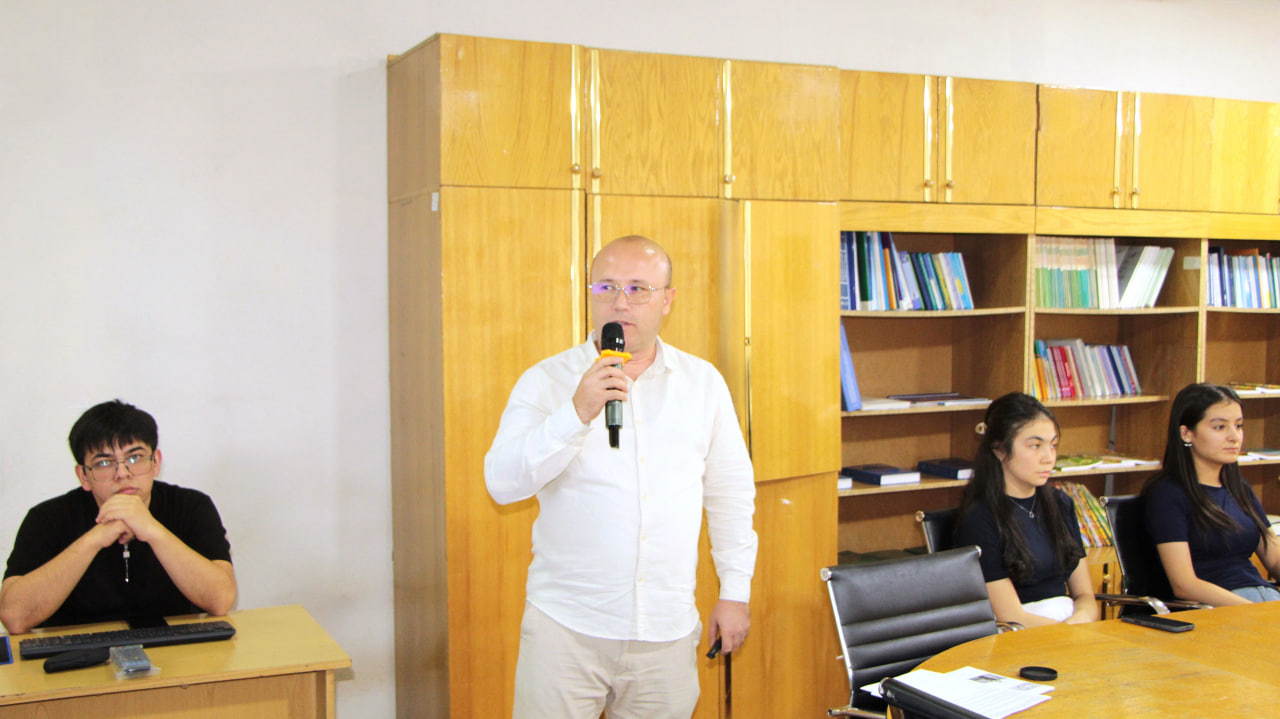
On September 11, 2026, the Republican Center for the Study of Public Opinion “Ijtimoiy Fikr” held a roundtable discussion devoted to seven national programs of Uzbekistan that define the key directions for the development of the country and society in the coming years.
These national programs are aimed at advancing the country’s development and enhancing the value of the individual, while aligning the priorities of state policy with the everyday needs of the population. Within a unified strategic framework, they address issues related to education, healthcare, the economy, ecology, the rule of law, development of the mahalla institution, and interethnic harmony.
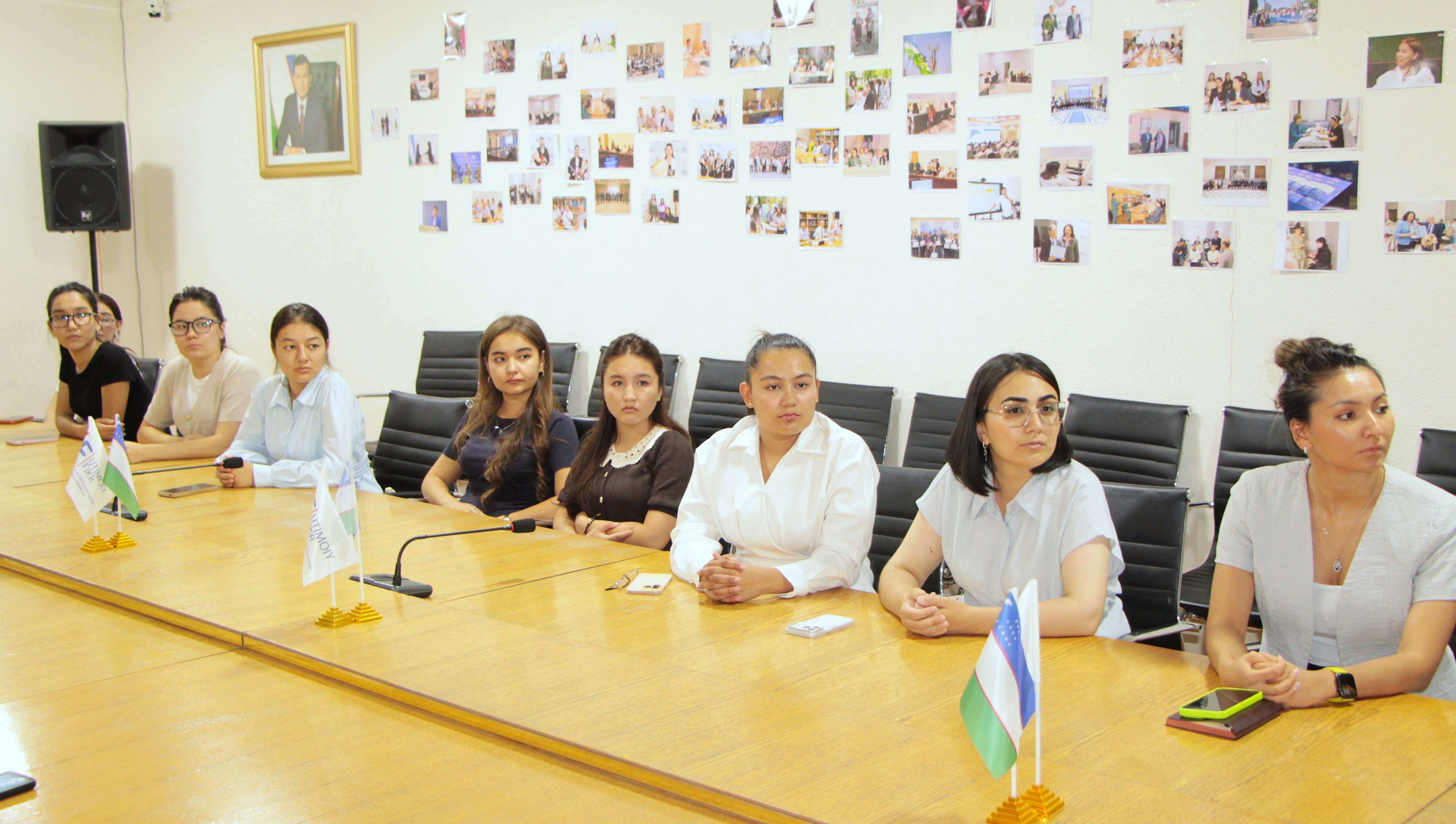
The main purpose of the roundtable was to conduct a scientific and social analysis of the objectives set out in the national programs, as well as to discuss their impact on living standards, public attitudes, and citizens’ perceptions of ongoing reforms.
During the event, Sherzod Boboev, Head of the Center’s CATI Research Department, delivered a presentation outlining the priority areas of the seven national programs. These included transforming knowledge and professional skills into a key driver of development, protecting public health, and transitioning the economy toward a model based on advanced technologies and high labor productivity. The presentation also addressed the rational use of water resources, environmental protection, ensuring judicial independence and the rule of law, transforming the mahalla into a key initiator of socio-economic development, and strengthening Uzbekistan’s international standing as a peaceful and tolerant state.
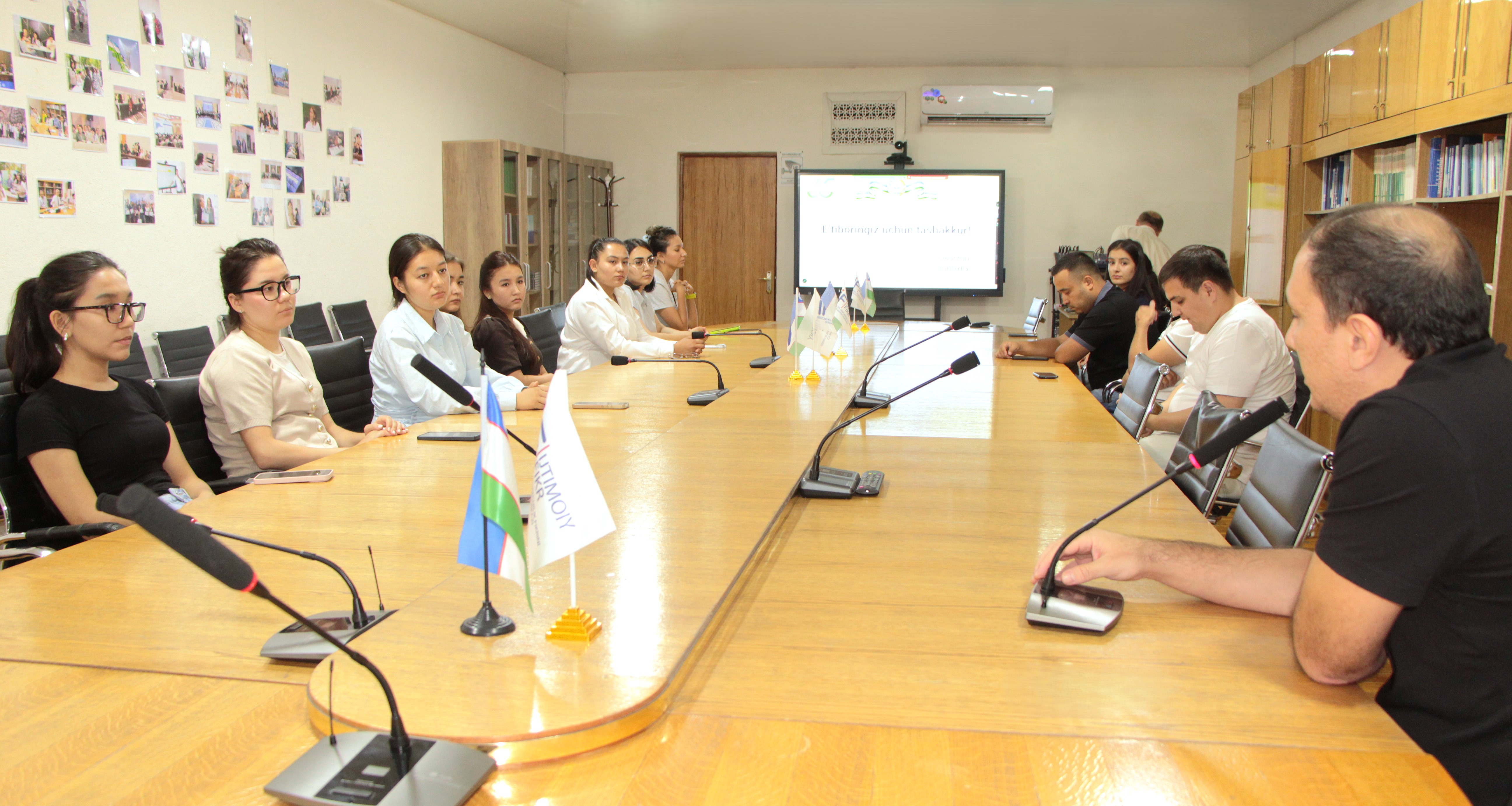
Particular attention during the discussion was given to ensuring full coverage of children in school preparation programs, introducing international assessment standards in educational institutions, training up to 1 million young people in in-demand and well-paid professions, and ensuring that at least 10 national universities enter the world’s Top 1000 universities.
In the healthcare sector, participants considered plans to transition to a prevention-oriented model, extend state health insurance to all households, and strengthen competition in specialized healthcare by attracting at least five of the world’s most prestigious clinics. In the economic sphere, the main focus was placed on increasing gross domestic product to USD 300 billion by 2030, creating 2 million high-income jobs in industry, and promoting the development of artificial intelligence, startups, and venture financing.
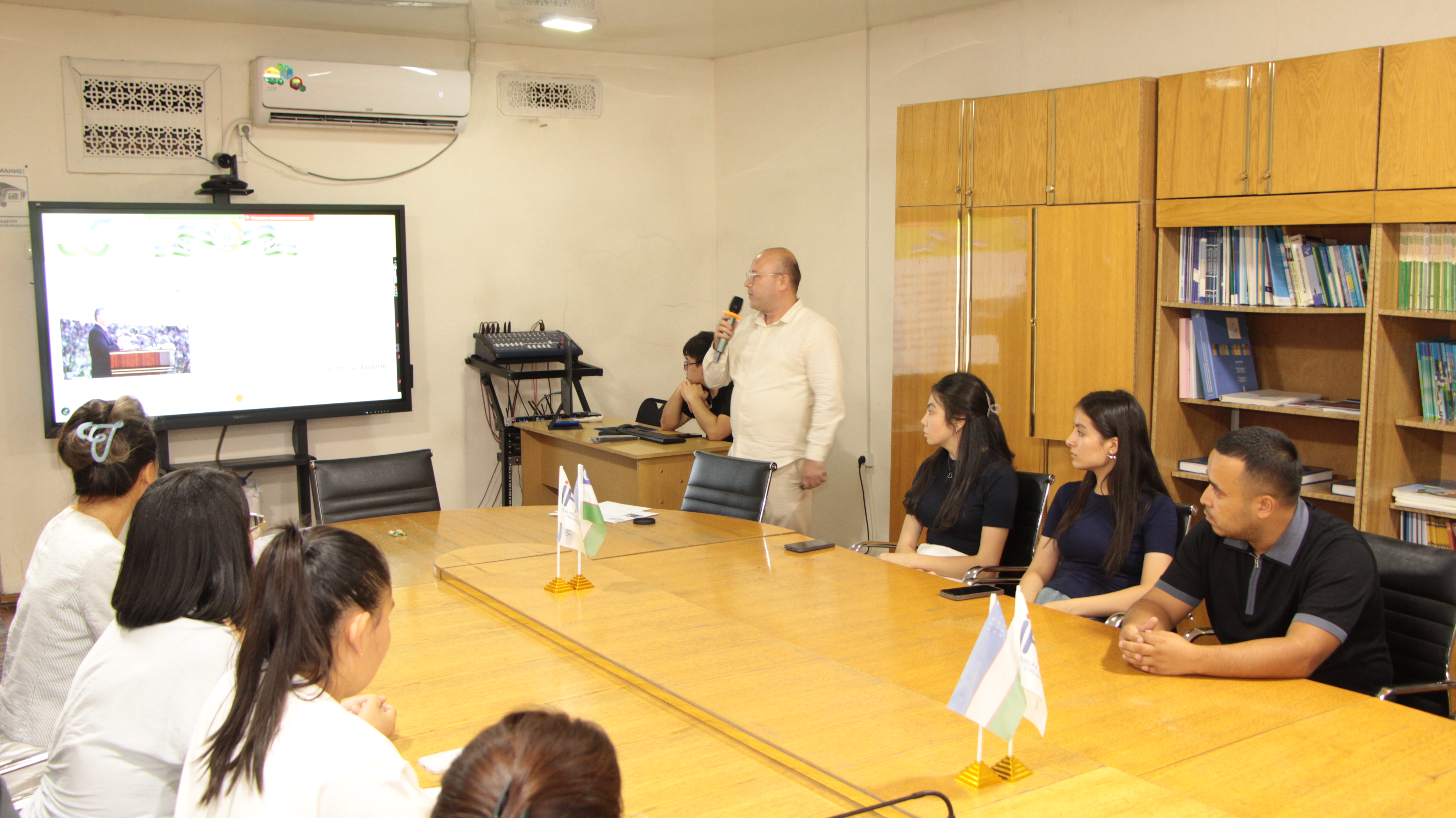
Participants emphasized the importance of regularly studying public opinion during the implementation of national programs, identifying the needs and expectations of the population, and conducting scientifically grounded assessments of social changes across the regions. It was noted that citizens’ views should become one of the key criteria for evaluating the effectiveness of government programs.
At the conclusion of the roundtable, tasks were outlined to expand sociological research aimed at assessing the social effectiveness of the national programs, analyze the level of public awareness of ongoing reforms, and develop scientific and practical recommendations based on the findings.