


26.06.2026
83
PUBLIC OPINION AS THE MOST IMPORTANT CRITERION IN THE FIGHT AGAINST CORRUPTION
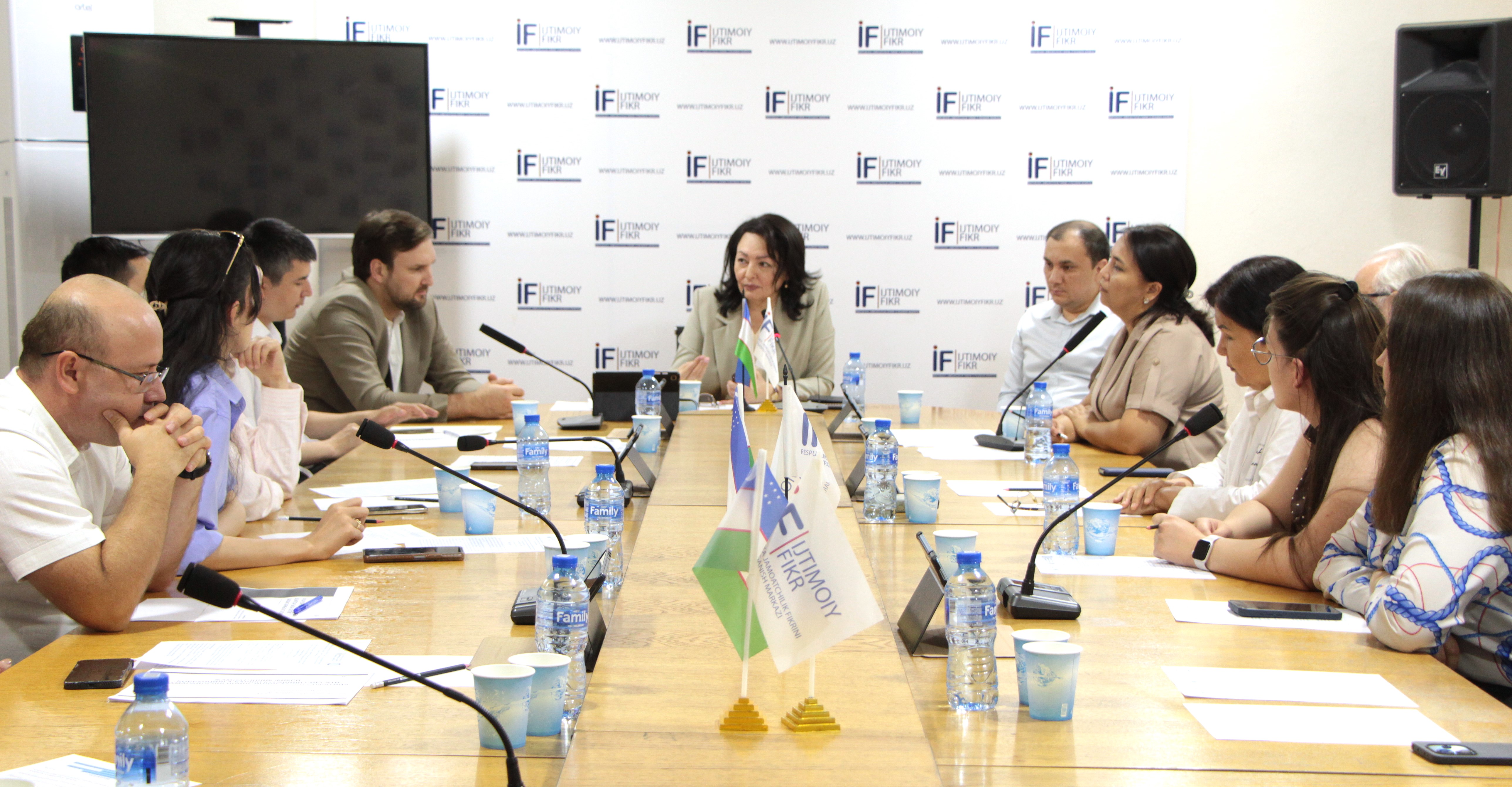
On June 25, 2026, a roundtable discussion was held in Tashkent as part of the permanent scientific and practical seminar “Current Issues in the Study and Formation of Public Opinion in Uzbekistan: Methods, Theory and Practice.” The roundtable was devoted to the topic “The Level of Corruption Prevalence in the Main Spheres of Public Life and Citizens’ Assessment of the Effectiveness of Anti-Corruption Efforts.”
Today, the issue of combating corruption is one of the most important conditions for the development of the state and society. An in-depth study of the impact of corruption on socio-economic development, the effectiveness of public administration, and citizens’ trust in state institutions, as well as regular analysis of public attitudes toward this problem, are among the most pressing tasks. In this context, the study of public opinion is of particular importance as a key mechanism for assessing the effectiveness of anti-corruption policy, identifying existing problems, and developing practical proposals aimed at addressing them.
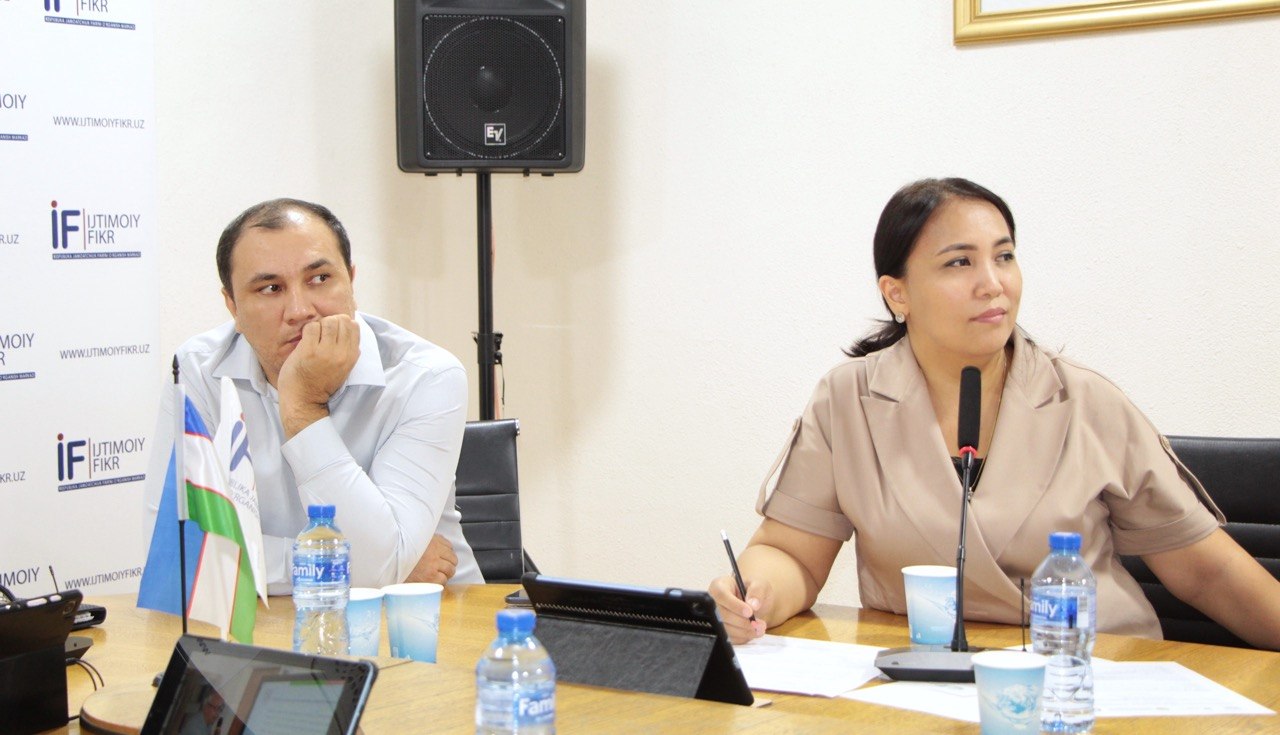
Welcoming the participants of the roundtable, Nigina Khayrullaevna Rakhimova, Director of the Republican Center for the Study of Public Opinion “Ijtimoiy Fikr,” and Bahrom Burkhanitdinov, Head of the Department for Work with the Public, Youth and Non-Governmental Non-Profit Organizations of the Anti-Corruption Agency of the Republic of Uzbekistan, wished the seminar every success. In their speeches, they paid special attention to the importance of consistent reforms being carried out in the country in the field of combating corruption, strengthening public oversight, raising citizens’ legal awareness and legal culture, and developing open dialogue between the state and society.
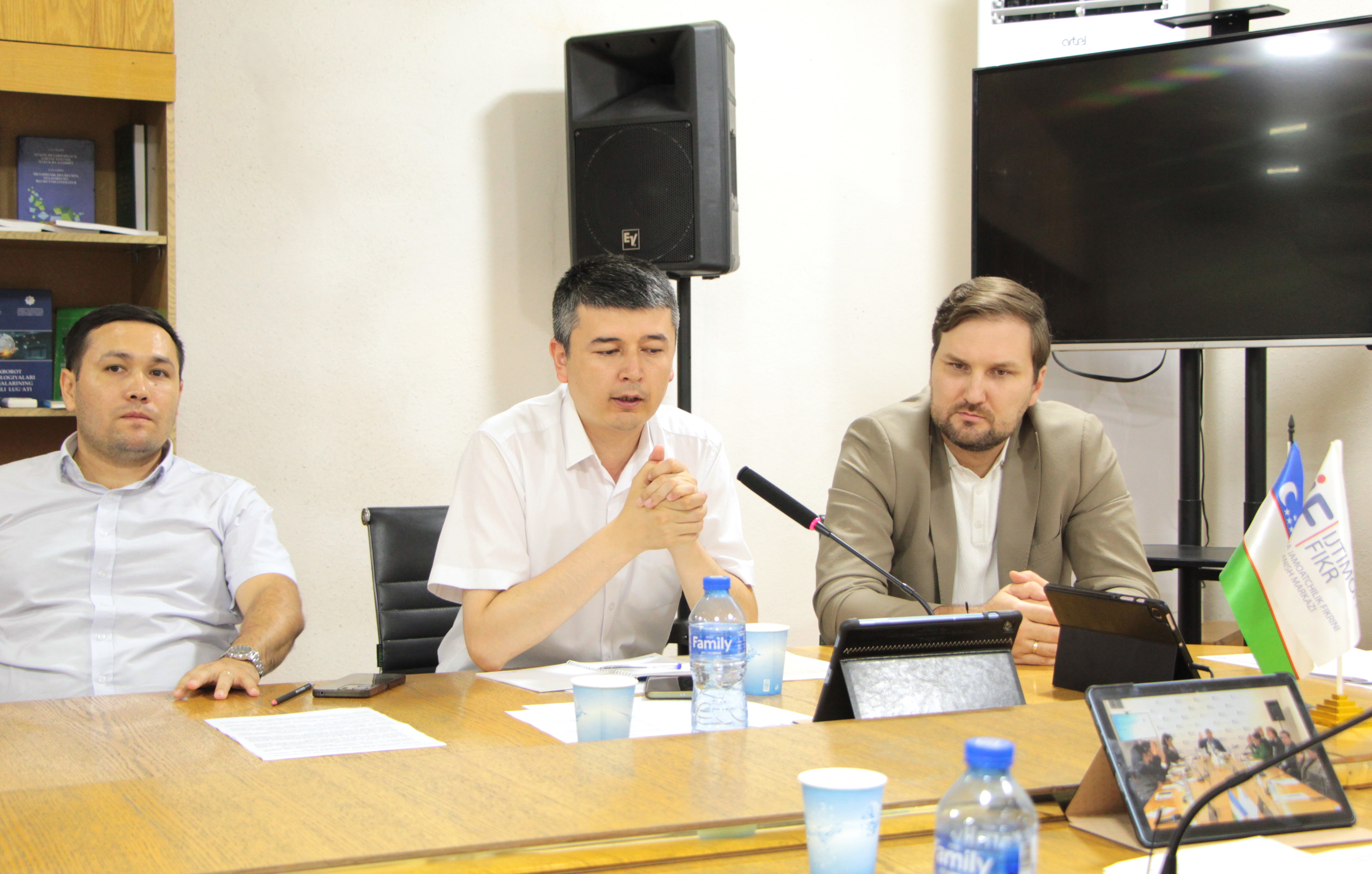
As noted during the event, the regular study and consideration of public opinion in the fight against corruption is one of the key factors in increasing the effectiveness of state policy, strengthening public trust, and enhancing citizens’ social engagement.
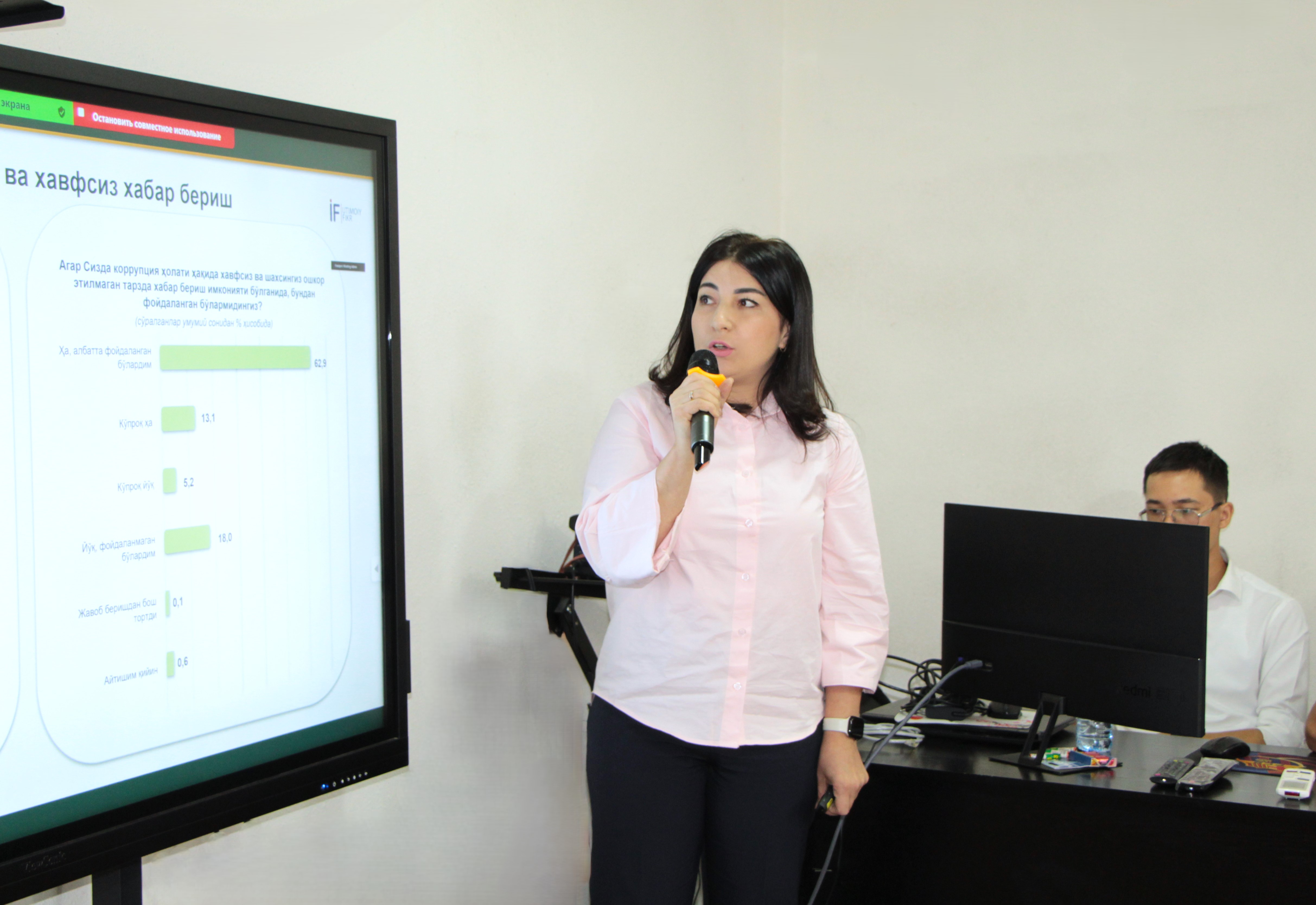
In the main part of the event, specialists of the Republican Center for the Study of Public Opinion “Ijtimoiy Fikr” presented the results of a sociological study reflecting the level of corruption prevalence, the effectiveness of anti-corruption efforts, and public attitudes toward this issue.
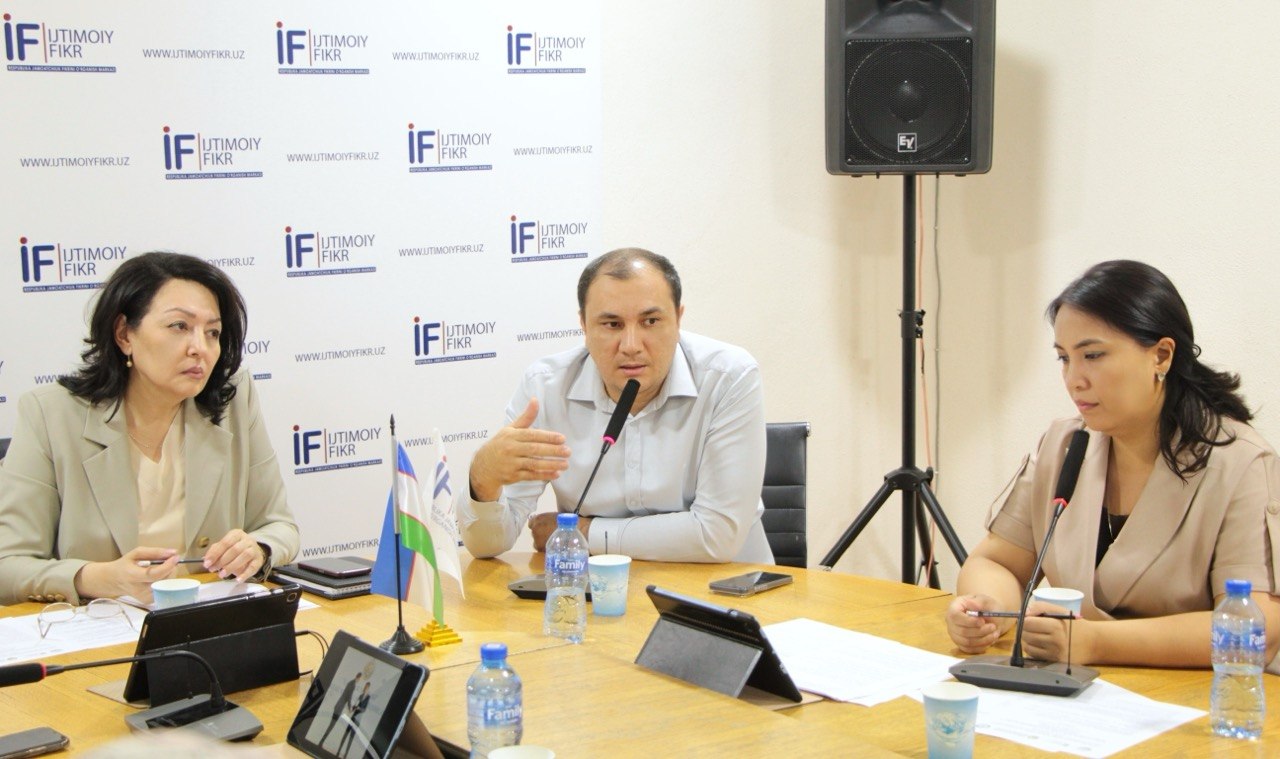
In particular, Azizbek Tadjibaev, Head of the Department of Strategic Research of the Center, delivered a presentation on “Public Opinion on the Level of Corruption Prevalence, Its Causes and Forms of Manifestation.” The presentation analyzed research findings concerning public perceptions of the prevalence of corruption in various spheres, the factors contributing to its emergence, the forms in which corruption situations manifest themselves, and how citizens assess the social danger of this problem.
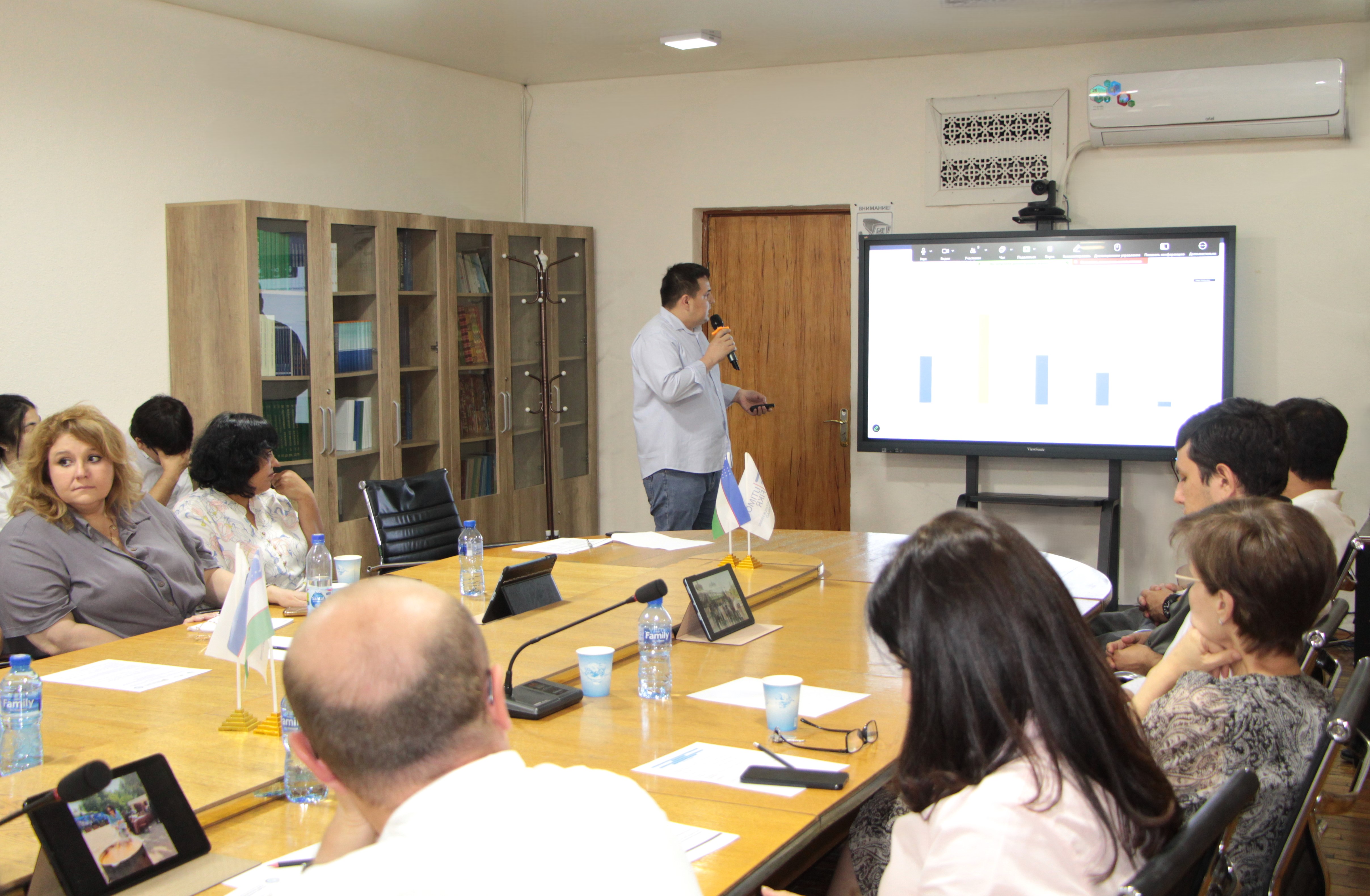
Umida Mukhamadjonovna Khalikova, Head of the Department of Field Research and Data Quality Control of the Center, delivered a presentation on “Public Opinion as an Indicator of the Effectiveness of Anti-Corruption Policy.” She focused on citizens’ assessments of the state policy implemented in the field of combating corruption, the effectiveness of the measures being taken, and trends in the formation of public trust.
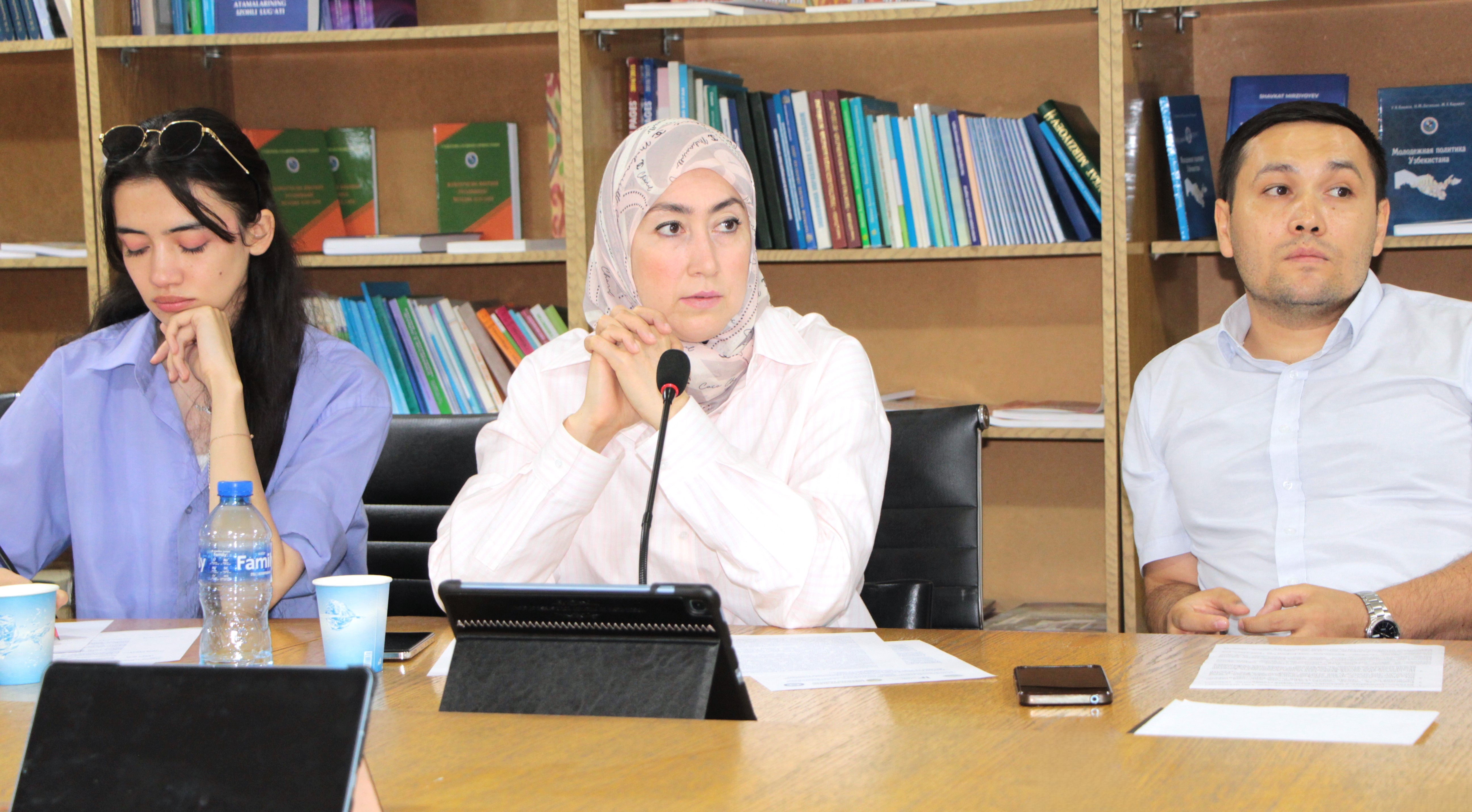
Sherzod Norkuzievich Boboev, Head of the CATI Research Department of the Center, delivered a presentation on “Analysis of Citizens’ Personal Experience Related to Corruption Situations.” The presentation provided data on citizens’ direct experience of encountering corruption cases, their attitudes toward such situations, their practice of submitting appeals, and factors associated with the formation of an intolerant attitude toward corruption.
Ravshanbek Islambaev, Chief Analyst of the Department of Mathematical Modeling and Analysis of the Center, delivered a presentation on “Public Administration and Corruption Risks in the Perception of Citizens of Uzbekistan.” The presentation analyzed how the population perceives corruption risks in the public administration system, the level of trust in various spheres, factors that contribute to reducing corruption risks, and assessments formed on the basis of public opinion.
At the conclusion of the roundtable, participants expressed their views and proposals on increasing the effectiveness of the fight against corruption, improving public oversight mechanisms, raising the legal awareness and legal culture of the population, and further strengthening cooperation between the state and society.